adm Indicia’s Phil Manger says foldable phones and AI are reshaping CRM
Manger argues brands must write messages that work at a glance, in conversation and when read by AI assistants, and judge them on outcomes rather than opens.
Phil Manger of adm Indicia argues that foldable phones, richer messaging channels and AI are changing the buying journey, and that customer relationship management (CRM) has to change with them.
He says foldables bring more than bigger screens. They add more screen states, more ways to interact without opening an app, and they put more AI in the space between brand and customer.
CRM has long assumed that customers receive a message, open it, read it and then act. Manger says that model is starting to break down, not simply because devices fold but because people can increasingly understand, dismiss or respond to a message without opening an app, an email or sometimes even their phone.
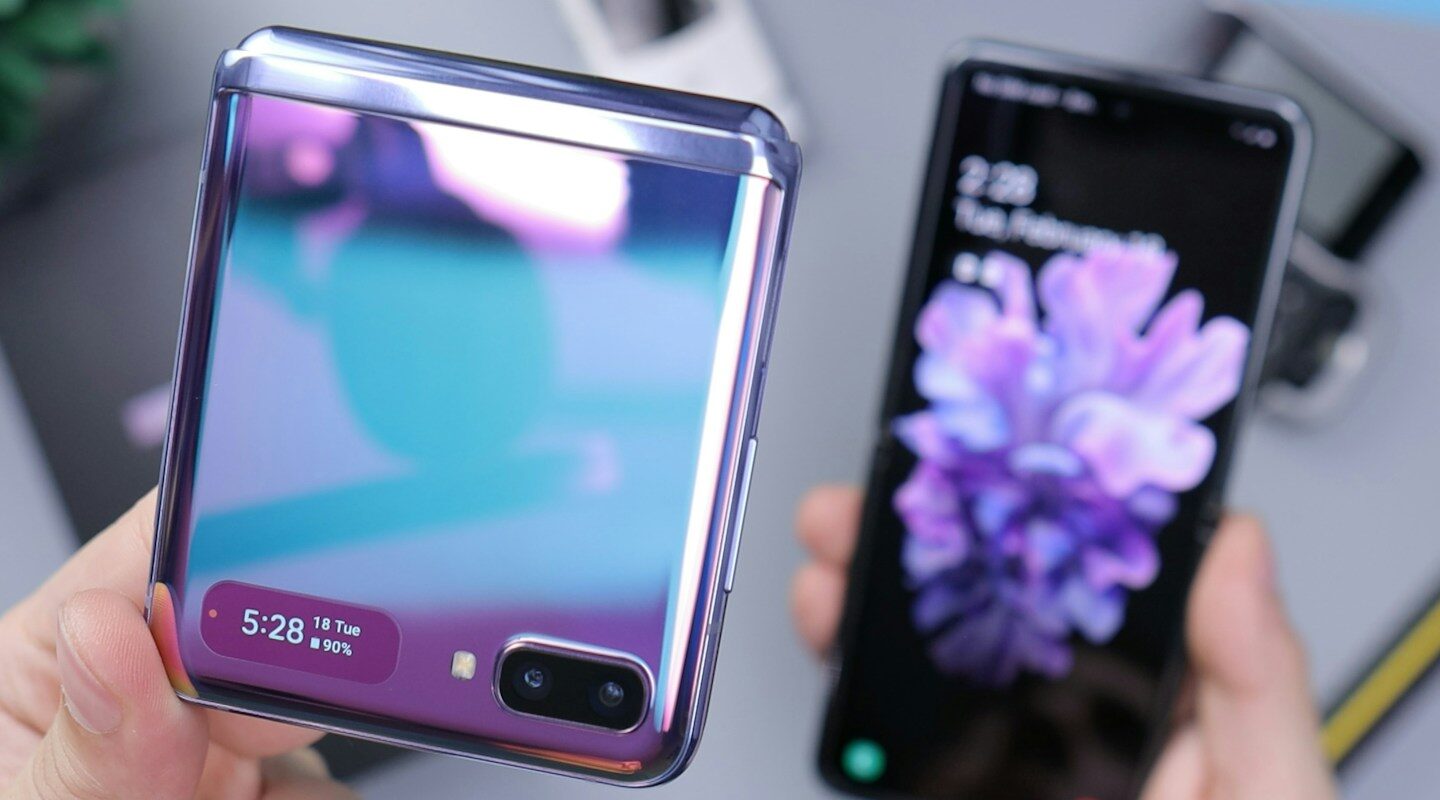
He points to Samsung’s Galaxy Z Flip7, whose cover screen already works as an interface for messages, schedules, widgets and AI-powered information. With Apple having recently entered the foldable market, he expects multi-state mobile experiences to become mainstream quickly.
For CRM leaders, he says, the journey is moving from notification-to-open towards notification-to-understand-and-act.
Designing for the glance
Manger says foldables are more than the latest gimmick. The large inner screen gives far more room for media, reading and browsing, and supports split-view multitasking with two apps side by side or a video pinned above messages. The phone can also be propped open like a small laptop or a tent for video calls, workouts or streaming.
For brands, the bigger change is that people can now glance at content in far more ways. In many cases, he argues, what matters most in a marketing message is often no longer the email itself but the opening few words a customer sees before deciding whether it merits more attention.
That leaves marketers needing to convey the value of a message in 40-80 characters, make what matters visible without it being opened, and let customers act with minimal effort.
Manger says instant brand recognition and a good reputation matter more than ever, and that the brands that succeed will optimise not only for engagement but for “usefulness at the smallest visible surface”.
Conversational messaging and AI
He argues that WhatsApp and rich communication services (RCS) are turning CRM from a broadcast activity into a service environment, where customers can ask questions, confirm appointments and resolve problems without leaving the conversation.
This is already happening in retail, travel and loyalty, he says, where customers expect interactions to be immediate and self-contained rather than involving several clicks and redirects. The most effective uses tend to be practical, with order tracking and customer service conversations delivering more value than marketing campaigns repurposed for messaging apps.
The strategic question, in his view, is no longer email versus WhatsApp but which channel best suits a particular moment for the customer.
Longer term, Manger expects AI to have a bigger effect. Customers will increasingly not be the first to read brand communications, because their devices will get there first. AI assistants are starting to condense messages, rank notifications and suggest relevant actions before the customer looks at the original.
CRM content will therefore need to be designed for the systems interpreting it as well as for people, which he says puts a premium on semantic clarity: who the message is from, what is happening and what action is needed. Creative execution still matters, but when AI stands between brand and audience, he says, a clear structure and unambiguous meaning are invaluable.
Channels and measurement
Manger does not think every organisation needs a separate foldable strategy, but sees the devices as a useful indication of where customer behaviour is heading. CRM teams, he argues, should instead rethink the role each channel plays across the journey.
In his view, email is still the best place for rich content, complex stories and detailed information, while push notifications are turning into compact surfaces for service that offer immediate utility. RCS brings together branded experiences, interactive features and messaging in a format that works on a growing range of devices, WhatsApp suits guided interactions and conversations led by service, and SMS is still the reliable fallback where reach and simplicity count most.
“The future is unlikely to belong to any single channel. It’ll belong to organisations that orchestrate them effectively,” he writes.
Measurement also needs to change. As more interaction happens in notifications and summaries written by AI, the traditional CRM metrics are losing reliability. Open rates were already an imperfect gauge of engagement, and are less useful still when a customer can read a notification, understand the offer and act without opening anything.
Manger says CRM teams should put more weight on business outcomes such as purchases, bookings and retention than on opens and clicks, with the key question moving from “did they open it?” to “did it influence behaviour?”
He argues that foldables are speeding up a shift that was already well under way, with customers spending less time inside apps and more of it engaging via notifications, messaging and AI-assisted interfaces. Attention is becoming more fragmented and contextual, and is increasingly filtered before a brand reaches the customer directly.
The question that follows, he writes, is: “if a customer’s digital assistant decides which brands deserve their attention, are we designing CRM for people, or for the systems that increasingly represent them?”
The winners, he says, will not necessarily be those with the most elaborate journeys or the best email open rates, but those offering “the clearest value in the smallest moments”. Every message will have to justify its place, whether it is read on a lock screen, in a messaging thread or by an AI assistant acting for the customer.
For marketers, he argues, the challenge is “no longer simply getting customers to open a message. It’s ensuring the message remains useful when they don’t.”
In this story

Digital Gossip
News, people moves, campaigns, deals and opinion from across the UK’s agencies, marketing, media and technology businesses, written and edited by the Digital Gossip newsroom.
Send us a tip