MSQ’s Kim Broadbent says split-screen Six Nations ads test brands’ right to interrupt
After fan backlash against Samsung and Virgin Atlantic, the sports marketer argues brands must earn their place in live sport or risk lasting damage.
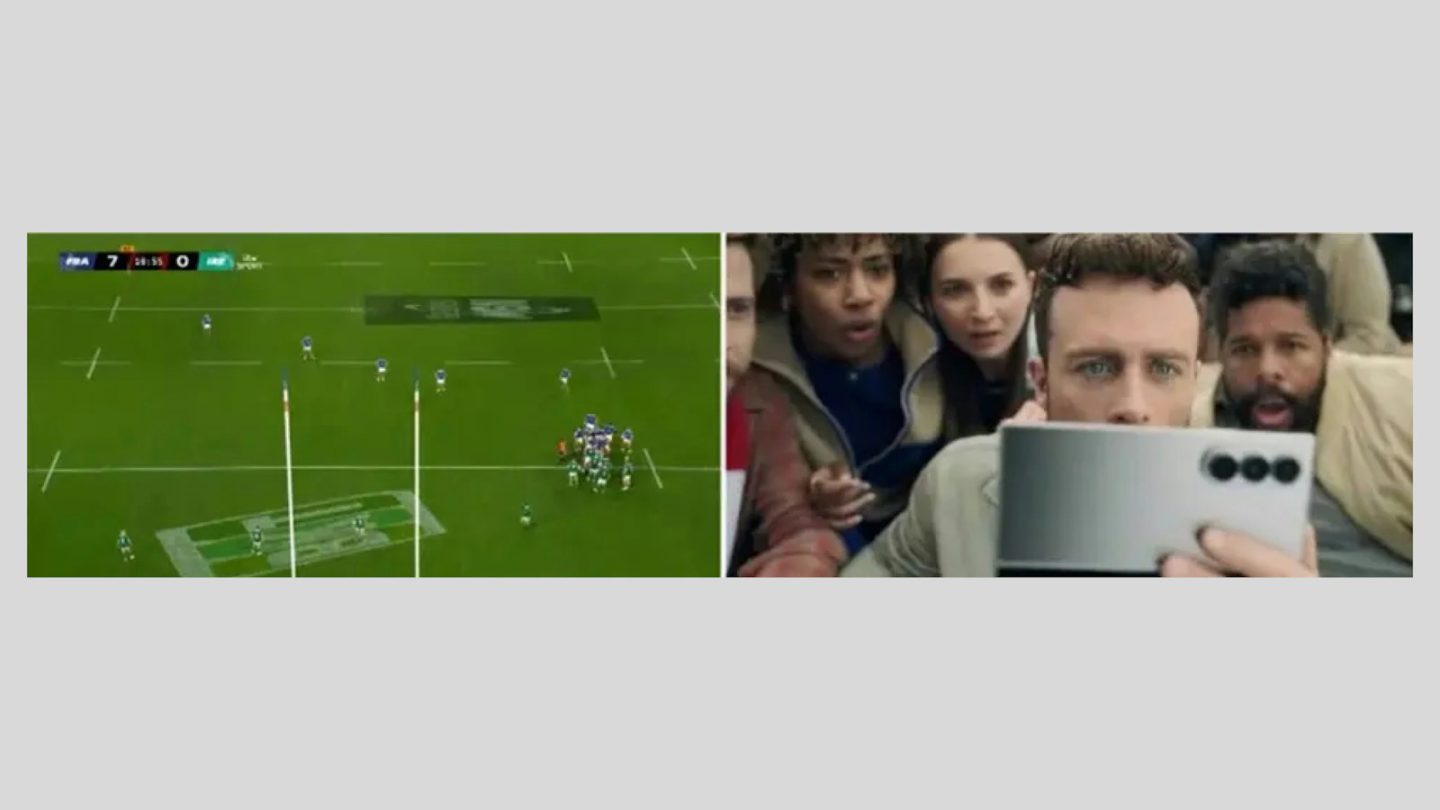
Kim Broadbent, managing partner of MSQ Sport + Entertainment, argues that ITV's new split-screen ads during Six Nations matches show the risk brands run when they chase short-term reach at the cost of fan goodwill.
The first in-game ads in ITV's coverage provoked a polarised reaction, with Samsung and Virgin Atlantic taking the brunt of fans' anger. Broadbent quotes one rugby fan who vowed: “I’m going to go out of my way to never buy a product from any company that uses one of these ad slots.” That, she says, is brand damage rather than useful exposure.
She notes that the pattern is familiar. Fans object whenever a new ad format appears, but ITV needs the money.
ITV's case
Broadbent says the broadcaster's position is understandable. As ITV said in its statement, it is free-to-air, receives no licence fee and live sport is extremely expensive. Ad revenue keeps the Six Nations available to millions, and ITV stressed that the match stays on screen, the ads are short and they only run during natural breaks in play.
Six Nations Rugby also signed off on the format. When the placements were announced last November, its chief executive Tom Harrison called rugby's commercial environment “extremely challenging” and said the importance of such partnerships “cannot be overstated.”
Broadbent says Samsung and Virgin Atlantic did nothing wrong creatively, as both made bespoke ads for the slot. The problem was that fans saw them as an intrusion into live play, the one part of sport that had not been commercialised.
Why the reaction was so strong
With sport and entertainment now so fragmented and constantly broken up by advertising, she argues that live action had become sacred. Brands gain exposure to a captive audience at the key moment, but that audience only wants to watch the game, which explains the visceral response.
Advertisers have to balance reach against how people feel about them for taking it. Broadbent asks whether 2.2m live views justify the Reddit threads and news stories, since the trade-off involves not only ratings but also how people feel, social media backlash, coverage in the press and affinity over the long term.
Building affinity, she says, requires brands to show up authentically. Sport is crowded with brands, moments pass quickly and, above all, fans are ruthless.
Earning a place
Broadbent understands the appeal of inserting a brand into a live moment to cut through, but says real breakthroughs are not accidental. Brands need to be impossible to ignore when it counts, combining cultural insight with creative courage so that their work earns its place with fans and becomes, in her phrase, “the graffiti in a world of wallpaper”.
That depends on a deep understanding of what fans want and how they behave, and usually some form of value exchange with their team, their sport or the experience. She describes it as bringing energy to a moment rather than extracting it, moving from passive presence to active participation in culture. Extraction, she says, is what leaves fans with a bad taste.
She wonders whether the response would have been the same for Guinness, a brand with long, authentic roots in rugby that fans love, arguing that a brand seen to have earned its place is forgiven far more readily than one that looks opportunistic.
That raises a further question for brands that know a sport well: whether they want to be the ones causing the interruption at all, or whether they accept that fans' loyalty is won outside the ad break.
The backlash will fade
Broadbent expects the fuss to die down. New formats always draw a negative reaction before becoming a normal part of watching sport, she says, and fans will react strongly to anything that seems heavily commercial or American, though that may not deter viewers once they adjust.
If one of the home nations performs well, attention will shift to the competition itself. By round four or five, she predicts, fans and pundits will care far more about who is fighting for the title.
Live sport will become more commercial whatever people think, she concludes, but brands can choose how they take part. The question to ask, she argues, is not whether people will see the brand, but whether it has earned the right to be seen.
In this story

Digital Gossip
News, people moves, campaigns, deals and opinion from across the UK’s agencies, marketing, media and technology businesses, written and edited by the Digital Gossip newsroom.
Send us a tip