
Netflix or Paramount: what the Warner Bros Discovery bidding war means for media buyers
Paramount’s hostile $108bn bid has set up a contest with Netflix that will shape how advertisers plan, buy and measure premium video.
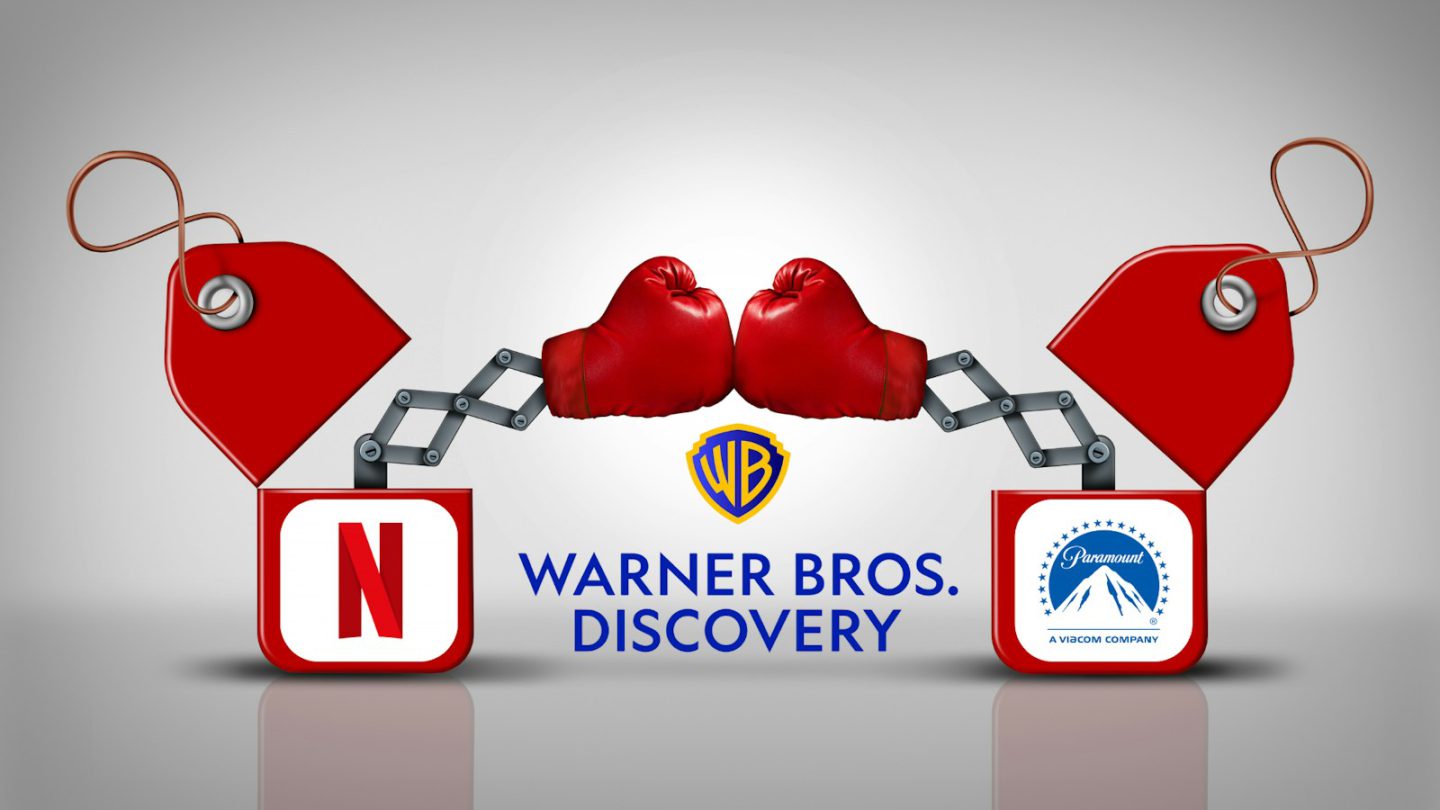
The contest between Paramount and Netflix for Warner Bros Discovery has become one of the biggest power struggles in modern media, and its outcome will shape how advertisers buy premium video for years.
Paramount announced a hostile bid of $30 per share for Warner Bros Discovery (WBD) just days after Netflix signed its own agreement to buy the company. While Wall Street concentrates on premiums and break fees, the fight has turned into a test of who sets the terms for scale, content distribution and the economics of streaming.
Both bidders see WBD as a strategic turning point. The winner gains a library or a platform, and also a degree of influence over how the streaming market and its economics are structured.
Consolidation has become the main survival strategy for legacy media companies in a digital-first market. Scale affects bargaining power, distribution, data access and the ability to build lasting ad-supported businesses. Paramount and Netflix are coming at the deal from different directions but for the same reason.
Two bidders, two approaches to advertising
Netflix’s $82.7bn offer would take WBD’s studio and streaming assets, including HBO and Warner Bros, and spin off its linear TV networks into a separate company. It would add prestige content and production capacity, potentially creating a dominant streaming force. It also raises questions about the future of the ad tier Netflix only launched in 2022, how WBD’s ad-supported HBO Max content would fit into Netflix’s closed ecosystem, and what access, pricing and measurement tools advertisers would get.
Mike Proulx, VP research director at Forrester, said: “Since Friday’s announcement, I’ve been skeptical that the Netflix deal would clear regulatory hurdles. Paramount’s hostile takeover bid for Warner Bros comes as no surprise. The company wants that property badly, and for good reason. Whichever media company, if any, ultimately secures it controls the calculus of the streaming wars and so much more.”
Paramount’s $108bn all-cash offer covers the whole company: linear networks, streaming platforms and studios. The result would combine Max, Paramount+, CBS, CNN, Nickelodeon, Showtime and more, offering advertisers a partner spanning live news, sport, scripted TV, children’s content, film and streaming. Paramount has presented its bid as a quicker, simpler route with clearer ad potential that keeps traditional media value chains intact.
Netflix offers scale and a polished product but little advertising history. Paramount offers extensive ad sales infrastructure and multi-platform experience but less global technology DNA. Media buyers will soon have to work with one of them.
What it means for the ad market
A Netflix-WBD deal would create the world’s biggest streaming company by subscribers and content library. Together with its global distribution and growing ad tier, that would give Netflix a strong claim to lead premium video planning, although buyers have already raised concerns about pricing, transparency and rigid buying models on the platform.
HBO Max ad inventory has typically been sold with a broadcast mindset, and it is unclear whether those packages would survive inside Netflix. The risk is fewer distinct options and more concentrated control.
Proulx argued that a Netflix win could benefit viewers. “Contrary to the prevailing narrative, if Netflix’s deal for Warner Bros crosses the finish line, I believe it would be good for streaming consumers through combined cost savings, easier content access, and shorter theatrical windows, all things that consumers want.”
A Paramount-WBD merger would bring together two businesses with more similar advertising cultures, able to sell integrated packages across streaming, linear and digital. Paramount has invested heavily in free ad-supported streaming through Pluto TV, while WBD adds addressable capabilities through its Discovery network and sports rights via Turner. For buyers building cross-platform frequency plans or tying CTV into wider brand campaigns, that could deliver more immediate benefits than Netflix’s model.
Premium video inventory is already scarce, with some of the highest CPMs in digital. A Netflix-WBD combination could tighten access further and let Netflix charge more for the enlarged content and audience. If it absorbs HBO’s catalogue and moves users into its ad tier, high-quality impressions could become much more concentrated.
With fewer large sellers, buyers could lose bargaining power over deal terms, frequency caps and performance-based planning. The concern goes beyond cost to what happens when experimental formats, custom content or unusual media mixes must pass through a smaller group of gatekeepers. The flexibility and agility that CTV promised could be traded for scale and efficiency, creating a harder planning environment for mid-sized brands and campaigns with specific targeting needs.
Measurement and data access
Fragmented measurement has long frustrated buyers in CTV and streaming. Each platform has its own technology, reporting quirks and limited interoperability. Netflix has moved slowly towards third-party measurement and still offers less campaign-level transparency than many buyers want.
Adding WBD’s assets makes unified reporting and reduced duplication more urgent. Paramount has promoted its experience running multi-platform campaigns, which could help. Whoever wins, buyers should expect new measurement standards and will need to push for consistent, comparable metrics across screens.
Targeting raises similar issues. Both companies are building first-party data strategies, but neither offers the open programmatic access many digital advertisers depend on. A merged business would have more power to set terms, so buyers will need to secure clarity and guarantees early.
Large agency groups are already considering the effect of fewer sellers controlling more premium inventory. There are also questions over whether experimental formats, branded content innovation and custom storytelling will have space when most budgets must go through one of two very large sellers.
Consolidation also tends to slow buying cycles while organisations adjust, so agencies will need to plan for more uncertainty in 2025 upfronts and may need to rethink long-term streaming strategies.
Regulators and timing
Both deals face regulatory review in the US and elsewhere. Although Netflix has structured its offer to avoid buying all of WBD, lawmakers have already raised concerns about market dominance, reduced consumer choice, content concentration and pricing pressure.
Paramount is presenting its bid as easier for regulators because it strengthens a challenger rather than the market leader, arguing that keeping WBD within a diversified media group is better for competition. Whether that argument works will affect timing and execution.
President Donald Trump has said the Netflix proposal raises “very serious questions” about market concentration and indicated he expects to play an active role in the antitrust process, suggesting a harder approval path for Netflix than first expected.
Approval is not guaranteed either way. The next phase will decide whether the industry moves towards greater consolidation or keeps control of premium content and streaming inventory more widely spread.
What advertisers should do now
Advertisers should review how much they rely on both companies and their inventory partners, and press for transparency on how any merged business would handle cross-platform campaigns. They should also prepare contingency plans for changes in ad rates, targeting and sales structures, and revisit media mixes to reduce exposure to concentrated platforms.
Whether Netflix ushers in a new era of premium streaming or Paramount becomes a full-spectrum media group, media buyers will be the ones paying for it and rewriting their strategies.
In this story

Digital Gossip
News, people moves, campaigns, deals and opinion from across the UK’s agencies, marketing, media and technology businesses, written and edited by the Digital Gossip newsroom.
Send us a tip

