Ace Hardware uses Prime Day shopping habits to grow loyalty and retail media
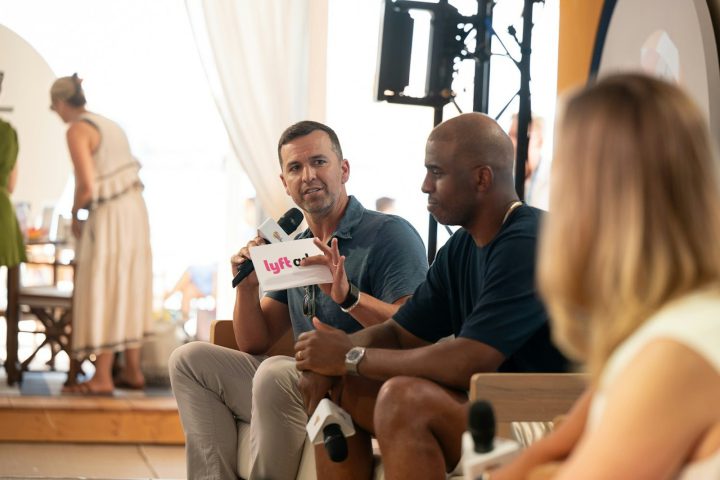
Molly Hjelm, general manager of Ace’s retail media network, explains how the four-day Ace Rewards Days event draws on the mid-year deals mindset Amazon created.

Ace Hardware is using the mid-year shopping behaviour created by Amazon’s Prime Day to drive loyalty sign-ups, retail media revenue and market share, rather than trying to compete with Amazon directly.
Its vehicle is Ace Rewards Days, a promotion lasting four days that ran from 23 to 26 June. Molly Hjelm, general manager of Ace’s retail media network, said the event has historically produced some of the strongest traffic and conversion figures the company records in any year.
Amazon launched Prime Day in 2015 as a loyalty initiative presented as a sale. Over the decade since, it has trained millions of consumers to expect a deals moment in the middle of the year, leaving other US retailers to decide how to respond.
“Prime Day has set a bar for the industry,” Hjelm said. “It has truly reshaped customer behavior around big key tentpole moments that it has created kind of fully from scratch outside of the holidays.”
That, she said, opens a period when shoppers are actively searching, comparing and ready to buy, regardless of where. “There’s this natural increase in customer search, shopping and receptivity that’s happening during that time period that becomes something that all other retailers can then draw off of.”
Loyalty as the engine
Ace builds its event around the 60m members of Ace Rewards, the loyalty programme behind its commercial activity. Rewards Days generates more new sign-ups to the scheme than anything else in the year.
As membership grows, so does the reach of the retail media network Hjelm set up last year, which gives brands and vendors access to Ace customers through onsite, offsite and in-store channels.
Hjelm said the purchase funnel effectively collapses during peak deal periods. Shoppers return to the same product several times in a short window, checking prices and reviews and moving from awareness to consideration so quickly that a step-by-step funnel model no longer applies.
“You’ve got to be everywhere in that purchase funnel so that there’s a higher opportunity for driving awareness, consideration and conversion at all times during that week,” she said. For vendor partners, that means full-funnel campaigns built to reach customers at every stage, with settings tuned for the extra traffic the event brings.
Building the window early
Work on the event begins well ahead of time. Ace starts telling rewards members about deals as much as a month beforehand, with messaging that intensifies as the dates near, and some offers are released early on purpose.
“There is the recognition that they will buy earlier if there are pre-deals available,” Hjelm said, “and so starting to trickle out some of those deals allows that shopping window to expand.”
She also raised the risk that such events teach customers to delay purchases. “There’s always the question in the back of everyone’s mind of are we creating a monster here or are we creating a routine where people are anticipating promotions and waiting and holding to buy until that peak moment at the sacrifice of the rest of the year.”
Hjelm admitted she has no neat answer, but said retailers that ignore the moment pay a price. “If you’re a retailer that’s not capitalizing on the amount of activity that’s happening, you’re going to lose market share at this point.”
Co-op structure and fast delivery
Ace operates as a co-op made up of more than 5,200 stores, each independently owned, so new partnerships depend on individual retailers choosing to take part. It has nonetheless expanded last-mile delivery through DoorDash, Uber Eats and Instacart, allowing a customer to go from discovering a product to receiving it at home within 15 minutes.
“You can go from inspiration, consideration, awareness, conversion in the blink of an eye,” Hjelm said. Hands-on service and in-store product experience have long been Ace’s main edge over online-only rivals, and rapid fulfilment adds a further element to that offer.
AI and the future of on-site ads
AI is also reshaping discovery. Ace has invested in being findable across leading large language models, reasoning that although only a very small share of purchases currently happen through those platforms, appearing when an AI recommends a product matters more and more.
“We’re being recommended and driving people into our ecosystem,” Hjelm said.
She was cautious about what that means for retail media in the longer term, accepting that traditional on-site formats could lose value if agents make buying decisions. “Things like sponsored ads, search ads or banners on property may be less valuable than they were in prior years if somebody’s going straight to a product page or if it’s an agent and a person that’s buying,” she said. The industry has not yet solved that problem.
Hjelm was firm that the old idea of loyalty, in which a customer in the CRM is assumed to belong to the retailer, no longer works. “Even the most loyal customers of retailers still spend, even at the low end, 50% of their market basket elsewhere,” she said.
Rewards Days is partly designed to tackle that, rewarding existing members visibly enough that they see the value of staying while attracting new ones. Hjelm sees the retail media network as more than an advertising platform. “We become a precision lever that our merchants and vendors can pull to grow their sales at key times of the year,” she said.
In this story

Digital Gossip
News, people moves, campaigns, deals and opinion from across the UK’s agencies, marketing, media and technology businesses, written and edited by the Digital Gossip newsroom.
Send us a tip