Oxford Road Corridor targets 15,800 new jobs by 2036
A new ten-year strategy for Manchester’s Knowledge Quarter sets a goal of £1.9bn in annual GVA, with growth focused on four sectors.
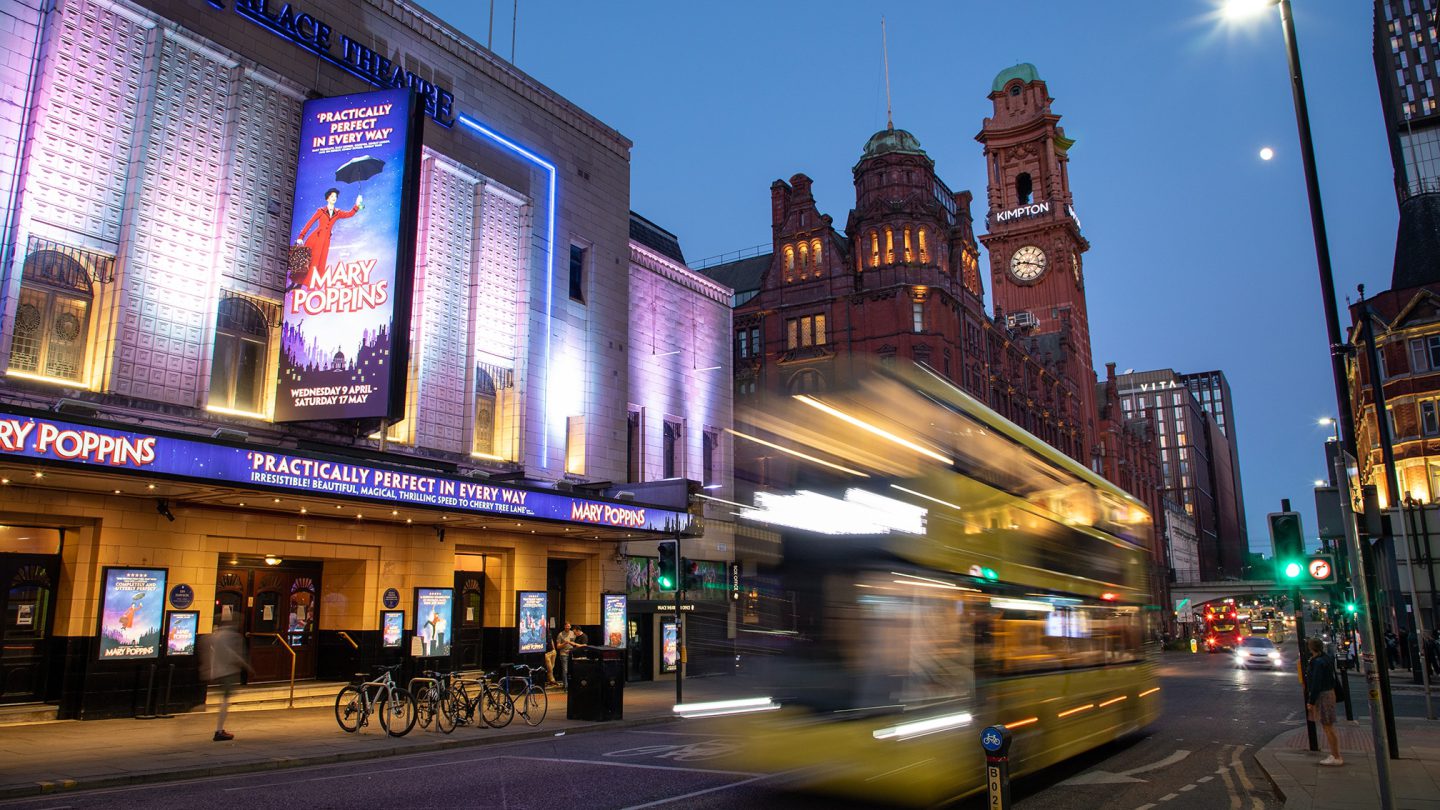
Manchester’s Oxford Road Corridor is aiming to create 15,800 more jobs and £1.9bn in annual gross value added (GVA) by 2036.
Those goals appear in a new document, the Oxford Road Corridor Strategy 2026–2036.
The area, also known as the Knowledge Quarter, covers one square mile to the south of the city centre and is among the UK’s largest clusters of research and innovation, already supporting more than 104,000 jobs and producing £7.8 billion a year in economic output.
The strategy looks at how the corridor can get more from its “exceptional concentration of research, talent and economic activity”, and how partners can help businesses and bring in further investment.
Across 20 years of formal partnership, the corridor has drawn in more than £2.8bn of investment from the public and private sectors.
Four sectors will be the focus for future growth: health and life sciences, digital and technology, the creative industries and advanced materials.
Partners set out ambitions
Professor Duncan Ivison, who chairs the Oxford Road Corridor Board and is The University of Manchester’s president and vice-chancellor, said: “We have an extraordinary concentration of research and talent within the Oxford Road Corridor, but its real strength comes from the relationships between the institutions and organisations based here.”
He added: “The partnership has been built over decades and has helped transform this part of Manchester. This Strategy is about what comes next. We want to strengthen the Corridor’s international position and create the conditions for businesses and ideas to grow, while ensuring more people benefit from that success.
“The opportunity over the next decade is significant, and we will achieve far more by continuing to work together than any institution could achieve alone.”
Councillor Garry Bridges, leader of Manchester City Council, said: “The Oxford Road Corridor has made an enormous contribution to Manchester’s growth, and the new Strategy gives us a clear direction for the next decade.
“We want Manchester to continue creating highly skilled, well-paid jobs in sectors where we can compete internationally. Increasingly, people can build careers here that a generation ago might have meant leaving Manchester to pursue elsewhere.
“The challenge now is to build on that success and attract further investment. Just as importantly, people and communities across the city need to be able to access the opportunities being created.”
The Oxford Road Corridor partnership was formally set up in 2007. Its members are The University of Manchester, Manchester City Council, Manchester Metropolitan University, the Royal Northern College of Music, Manchester University NHS Foundation Trust and Bruntwood.
Chris Oglesby OBE, chief executive of Bruntwood, said: “The Oxford Road Corridor is the UK exemplar of what can be achieved through long-term partnership between the private sector, universities, the NHS and the City Council, delivering wider benefits for Manchester.”
He continued: “Bruntwood has had a relationship with the Corridor spanning more than 20 years and we’ve seen first-hand how sustained investment and collaboration have helped transform the area. The next decade is about building on that momentum, creating the conditions for innovative businesses to start and scale here, and helping Manchester continue to compete internationally.”
In this story
 Chris OglesbyCEO, Bruntwood
- Garry BridgesLeader, Manchester City Council
- Professor Duncan IvisonChair of the Oxford Road Corridor Board and President and Vice-Chancellor, The University of Manchester
- BruntwoodBrand, Manchester

- Manchester City CouncilManchester
- Oxford Road CorridorManchester
- The University of ManchesterManchester

Digital Gossip
News, people moves, campaigns, deals and opinion from across the UK’s agencies, marketing, media and technology businesses, written and edited by the Digital Gossip newsroom.
Send us a tip