John Lewis Christmas ad fails to link store and online, says Auxbow co-founder
Kristina Kaganer argues that ‘Gloria and Pickles’ draws shoppers into stores but leaves the retailer exposed to Amazon and short of a way to build loyalty.
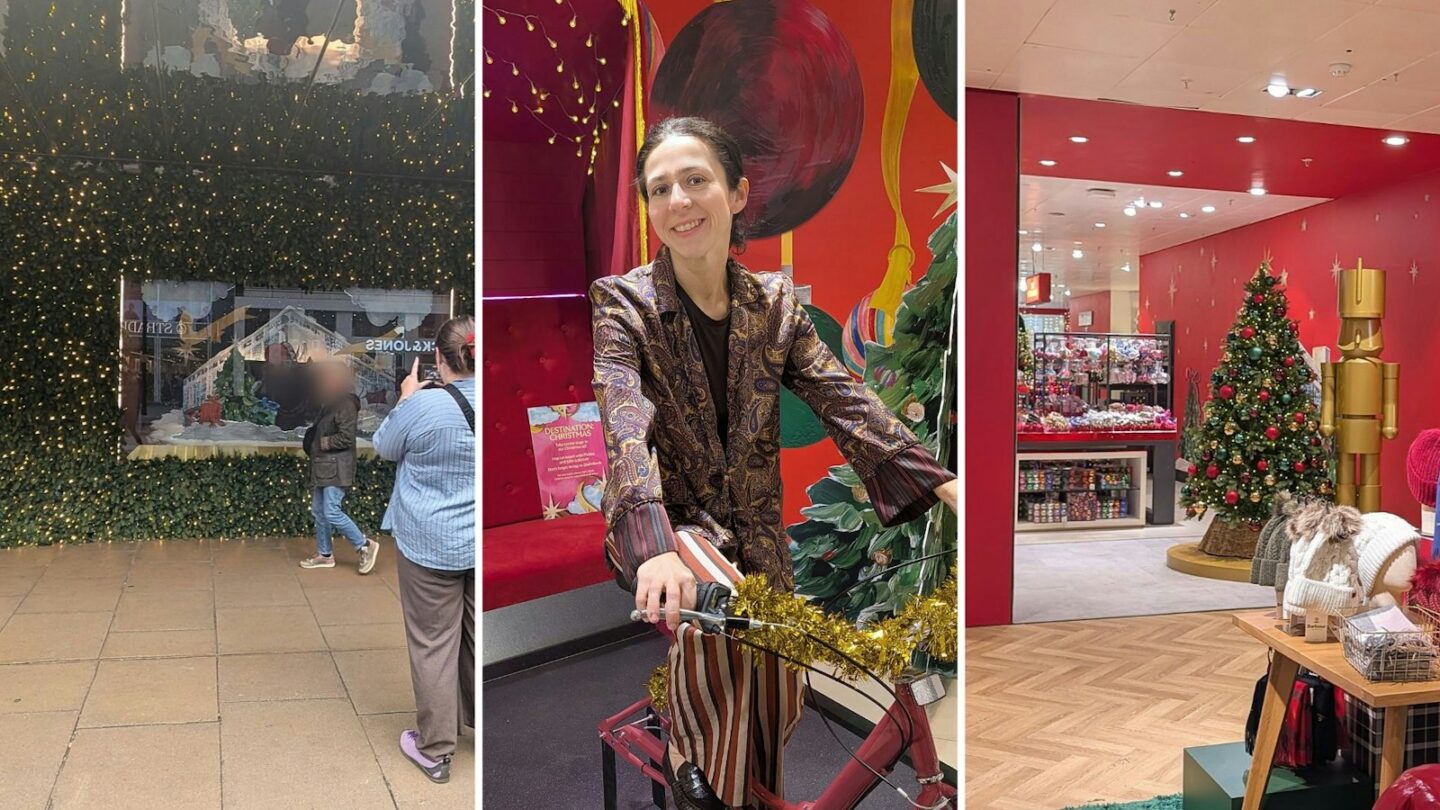
John Lewis’s 2026 Christmas ad is bringing shoppers into its stores, but the retailer is missing the chance to turn that excitement into lasting loyalty, according to Kristina Kaganer, co-founder of Auxbow.
Kaganer, an executive in product and advertising technology covering retail media, ecommerce, data and AI, admits that despite talking about retail media constantly she has never really taken to online shopping, preferring the experience and curation of physical stores.
That began with Christmas at Marshall Field’s, she says, and she felt the same at John Lewis on Oxford Street on a day too warm for a proper jacket. The store still sets a retailer apart even as more conversions happen online, she argues, which may explain the rapid growth of retail media networks: “the ad money follows the conversion”.
‘Gloria and Pickles’ is John Lewis’s 20th Christmas ad. This year it also launches the retailer’s key festive trading period and builds an audience that its retail media business can reach in the run-up to Black Friday.
A 360-degree activation
Kaganer describes the campaign as “an excellent 360-degree activation”. Searches for “Christmas advert” on johnlewis.com or “John Lewis advert” on Google lead straight to the film, which she says is a textbook retail media landing page.
The retailer has a shoppable “As seen in our ad” listing, and Pickles, the toy dog at the centre of the story, was already showing “100+ bought in the last 24 hours” when she looked. Its Bluewater, Cheadle and Oxford Street shops are hosting a tuk-tuk photo opportunity, which runs until Black Friday weekend.
Kaganer went to see Pickles before the crowds arrived but did not buy anything, not because she will not, but because she was not yet ready. After touring the Christmas shop and its nostalgic window displays, she went online to see how the experience continued.
“It did not,” she writes.
She argues this was the ideal moment to draw her into the John Lewis family, since loyalty comes from engagement and engagement from giving people a reason to carry on. Spending so much on a 360-degree activation while leaving the store disconnected from the digital journey, she says, misses the opportunity to close the loop.
Demand Amazon could convert
Kaganer says the loop matters for more than loyalty. Pickles is a Mattel toy sold under the Fisher-Price name, and when she searched for him, Amazon topped Google’s results, selling him at the same £12.99. John Lewis showed up in the paid shopping ads, paying for visibility on the star of its own campaign.
“That means John Lewis risks creating demand that Amazon will convert,” she writes. What the retailer can hold on to, she argues, is its relationship with the shopper.
John Lewis already runs a retail media network powered by Kevel, which offers targeted advertising and measurement linking online campaigns with in-store purchases via loyalty data. Kaganer says this is valuable to brands, but its value rests on the customer relationship that allows the measurement to happen.
The retailer says a heavyweight trade campaign is planned for Black Friday. Until then, Kaganer asks what will turn someone who has their photo taken with Pickles into a member, a repeat customer or someone brands can target again, describing this as “the missing link”.
She also questions whether early visitors like her will think of John Lewis when they later search for Pickles, and whether the retailer can win them back after they leave.
Lessons from Selfridges
Experiential retail media can build loyalty to the retailer itself, Kaganer argues, pointing to Selfridges. In its Christmas Shop, members of the Unlocked loyalty programme can use their membership key to pick up a token for a vending machine selling Selfridges-themed stickers, tying the interaction to the retailer’s own scheme.
John Lewis does encourage people who visit its site for the ad to join its membership programme. But at the Oxford Street tuk-tuk, the only digital touchpoint Kaganer saw was a sign inviting visitors to tag @johnlewis.
Not everything featured in the ad was available in store either. Of the 24 products she checked, 13 were in stock during her visit, and she says she does not know whether the rest had sold out or were unavailable.
Kaganer notes that 2026 has been full of talk about digital out-of-home, in-store screens featuring influencers, sampling in retail and the funnel collapsing. She has previously argued, in relation to Tesco’s in-store screens, that the experience must work for the shopper in that setting, and says the question now is what happens when someone moves from the physical aisle to the digital one.
She cites Ulta Beauty as another retailer seeing the store as a way to strengthen shopper relationships, even as AI reshapes how people discover and purchase products.
Her prediction for 2027 is that the winning experiences will be those that connect meaningfully back to digital. The picture she took on the tuk-tuk could have been turned into a virtual bauble for ordering or a Christmas card for family and friends, she suggests, and shoppers could build a wish list from the store’s curation and then buy online when ready.
“To me, that is the future of omnichannel retail media,” she writes.
In this story

Digital Gossip
News, people moves, campaigns, deals and opinion from across the UK’s agencies, marketing, media and technology businesses, written and edited by the Digital Gossip newsroom.
Send us a tip