Manchester Evening News marks first year of Premium with 7,000 subscribers
The first Reach title to launch a paywalled subscription is lifting the paywall on 10 investigations and features until Monday to mark the anniversary.
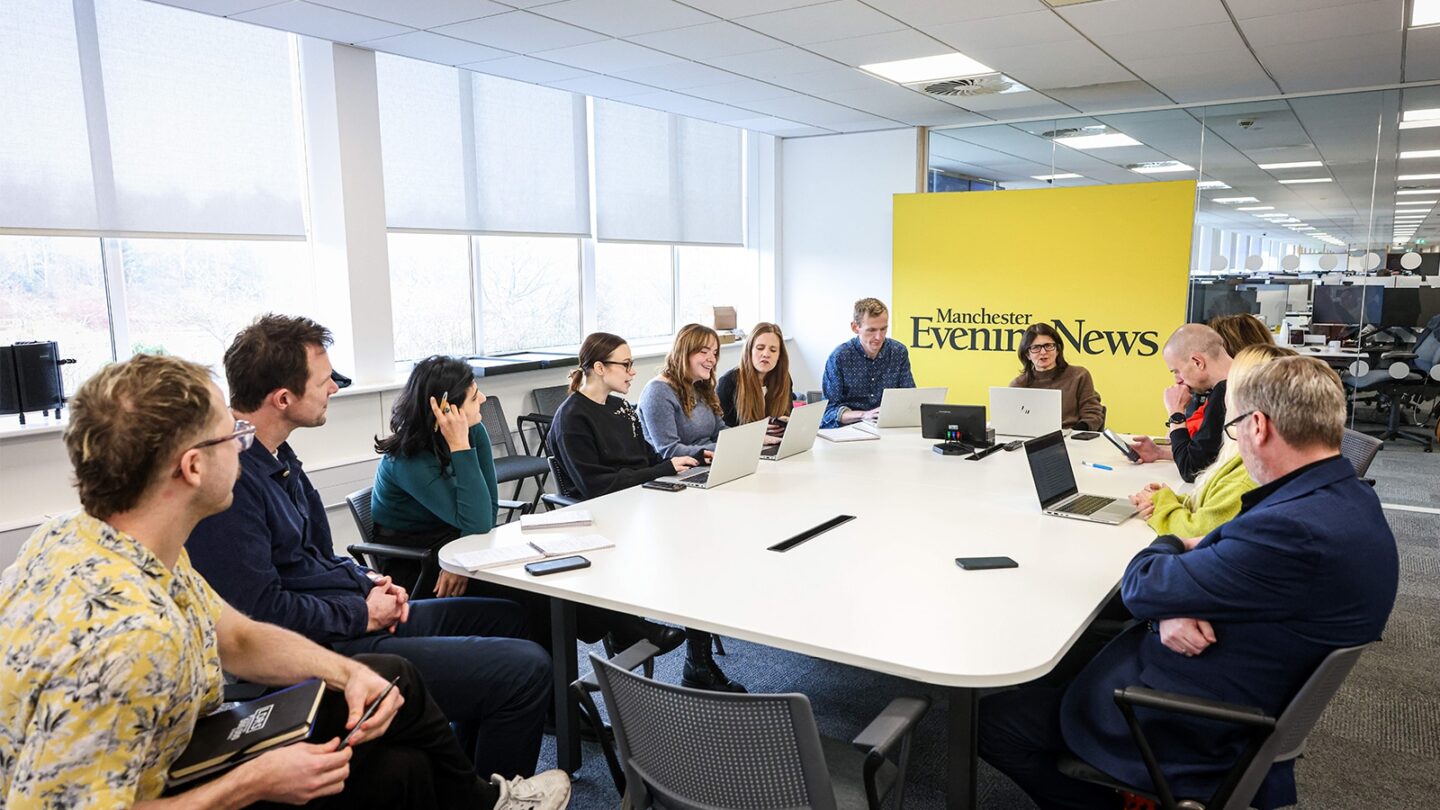
It is a year since Manchester Evening News launched its Premium subscription service, the first Reach title to do so.
Over the past 12 months the paper has put more than 2,000 articles behind the paywall and gained 7,000 subscribers. Editor in chief Sarah Lester said “we’re just getting started.”
MEN Premium launched to offer readers a paid “ad-lite experience” alongside more in-depth reporting.
To celebrate the anniversary, the MEN is temporarily removing the paywall from 10 of its “most impactful investigations, exclusives, and features”. They will be free to read only until the end of Monday 30 November.
The free stories include an Oldham Council investigation and an inside look at Manchester City's academy.
“I’ve been a journalist for a long time, and I love finding out what’s really going on and telling our readers. It’s what the Manchester Evening News has always done, and it’s more important now than ever when knowing what’s true and what’s not is so difficult,” said Lester.
“A year ago, we tried something different by launching MEN Premium – putting select stories behind a paywall while keeping breaking news free to everyone. Since then, we’ve published more than 2,000 Premium stories, some taking months to put together. To the 7,000 readers who have chosen to subscribe, thank you. It means a great deal to me and the team that you think what we do is worth paying for.”
Reader reaction
In an editor's letter in the paper, Lester described readers' first reaction.
“I got a lot of emails from readers about it. I think I replied to everyone. Some people felt betrayed. They loved what we did and couldn’t believe we were now asking them to pay for it. Others understood why we were doing it and were keen to support us. I understood both perspectives,” she wrote.
For years the paper's journalism was free online and largely funded by website advertising, she explained.
“But the media landscape has changed considerably. Google has gone from helping readers find our content to increasingly summarising our stories using artificial intelligence, meaning people no longer need to visit our website to read them,” she wrote.
“That presents something of a problem when you are the one employing the journalists who have gone out and found those stories in the first place.”
Serving Greater Manchester
“One of the reasons I decided many years ago to stay in Manchester, rather than head to the capital as so many do, was that I felt I could make more of a difference here. So much of the story of our country is told from a London perspective. There are more than three million people living in Greater Manchester who deserve to have their stories told and their interests represented.”
She recalled that the paper's founder Mitchell Henry, more than 150 years ago, spoke of “an honest aim to serve the public interest”.
“I often think about those words because they are as relevant to the discussions we have in our newsroom today as they were all those years ago,” she wrote.
“It is why, for example, I have taken the decision to keep breaking news and much of our important public interest journalism free to read.”
In this story


Digital Gossip
News, people moves, campaigns, deals and opinion from across the UK’s agencies, marketing, media and technology businesses, written and edited by the Digital Gossip newsroom.
Send us a tip