
Paul Burke says he is embarrassed by today’s ad industry but cannot stop caring
The creative veteran recalls the Barclaycard, Levi's, Skoda and Stella Artois era to argue that advertising was once built on care.
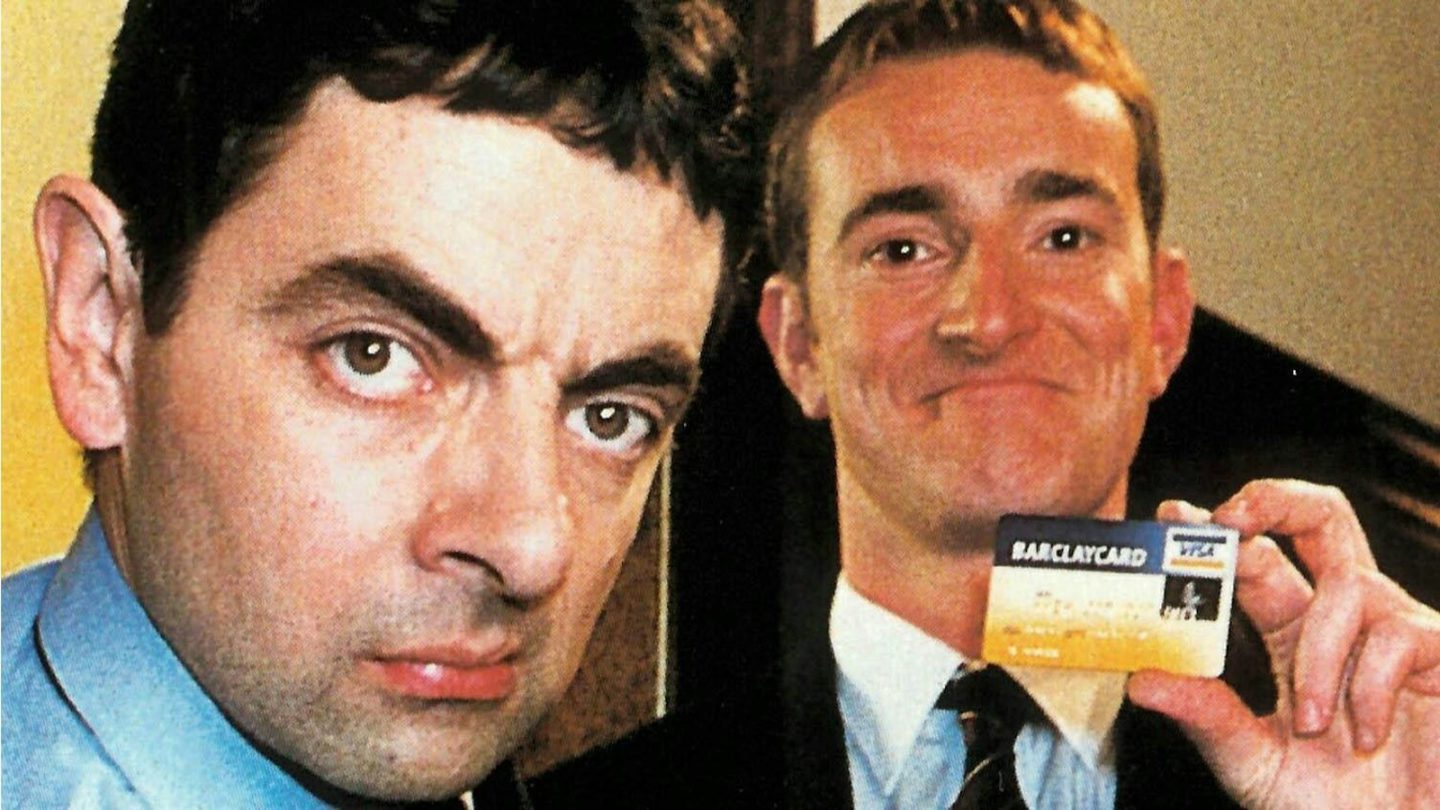
Creative veteran Paul Burke argues that the advertising industry has lost the pride it once inspired, and says he is embarrassed by what it has become.
Burke says people of his generation who complain about the state of adland are often asked why they care, given they enjoyed good careers and did good work. “Because I’m embarrassed,” is his answer, and he fears that feeling will grow.
He imagines future grandchildren asking what he did for a living and being disappointed to hear it was advertising, wondering whether he was an influencer or made the ads that interrupt their YouTube and TikTok. He would have to explain that the industry was once a creative and cultural powerhouse, with ads widely loved and often described as “better than the programs on TV”, and then explain what TV was.
A different industry
Burke recalls a time when, in his view, agencies were not “creepily obsessed” with people's race or gender, and instead had a random, diverse intake that welcomed people from every background. That, he says, gave working-class children opportunities that steered them away from humdrum lives. Competition to get in was fierce, and those who made it had earned the right to be proud.
Advertising was cool, he writes, though anyone who has only seen the bland, global ads now shown in cinemas would struggle to believe it. Work that tries to speak to everyone, he argues, ends up speaking to no one.
He cites his own Barclaycard work starring Rowan Atkinson as a bungling spy, a character that went on to inspire the Johnny English films. When Atkinson's character accidentally fired a pen into his own leg, cinema audiences laughed, and Burke remembers thinking: “I wrote that, and I’m proud of it.”
That pride, he says, sat alongside awe and envy at his contemporaries' epic ads for Levi's, Skoda and Stella Artois, and a longing for the awards they would win.
Built on care
Back then, Burke argues, the business rested on one word: care. Copywriters took the trouble to grab and hold attention with concise, engaging and persuasive words. Art directors cared about striking use of space, type and imagery. Account handlers cared enough to “sell” creative work to clients rather than limply “share” it.
“When people inside the industry stopped caring about advertising, people outside of it were bound to stop caring too,” he writes.
Would it be better, he asks, to claim he played the penny whistle outside a public urinal? No, he answers: the industry should still be proud of that work and show it to future generations, even if it seems as remote to them as wartime memories did to his own generation. Perhaps the best response is simply to be grateful for having worked in a lively, important business that seems to have disappeared, and to stop caring what became of it.
He quotes the saying “You can’t beat a man, or woman, who doesn’t care,” before admitting he will not stop caring, because he cannot.
In this story

Digital Gossip
News, people moves, campaigns, deals and opinion from across the UK’s agencies, marketing, media and technology businesses, written and edited by the Digital Gossip newsroom.
Send us a tip

