Mick Carter on signing Robert Pattinson for Kronenbourg 1664 before his Bond casting
The Attachment business director, who helped appoint Pattinson as the beer brand's ambassador in 2024, argues that the best talent deals are made before the rest of the market catches on.
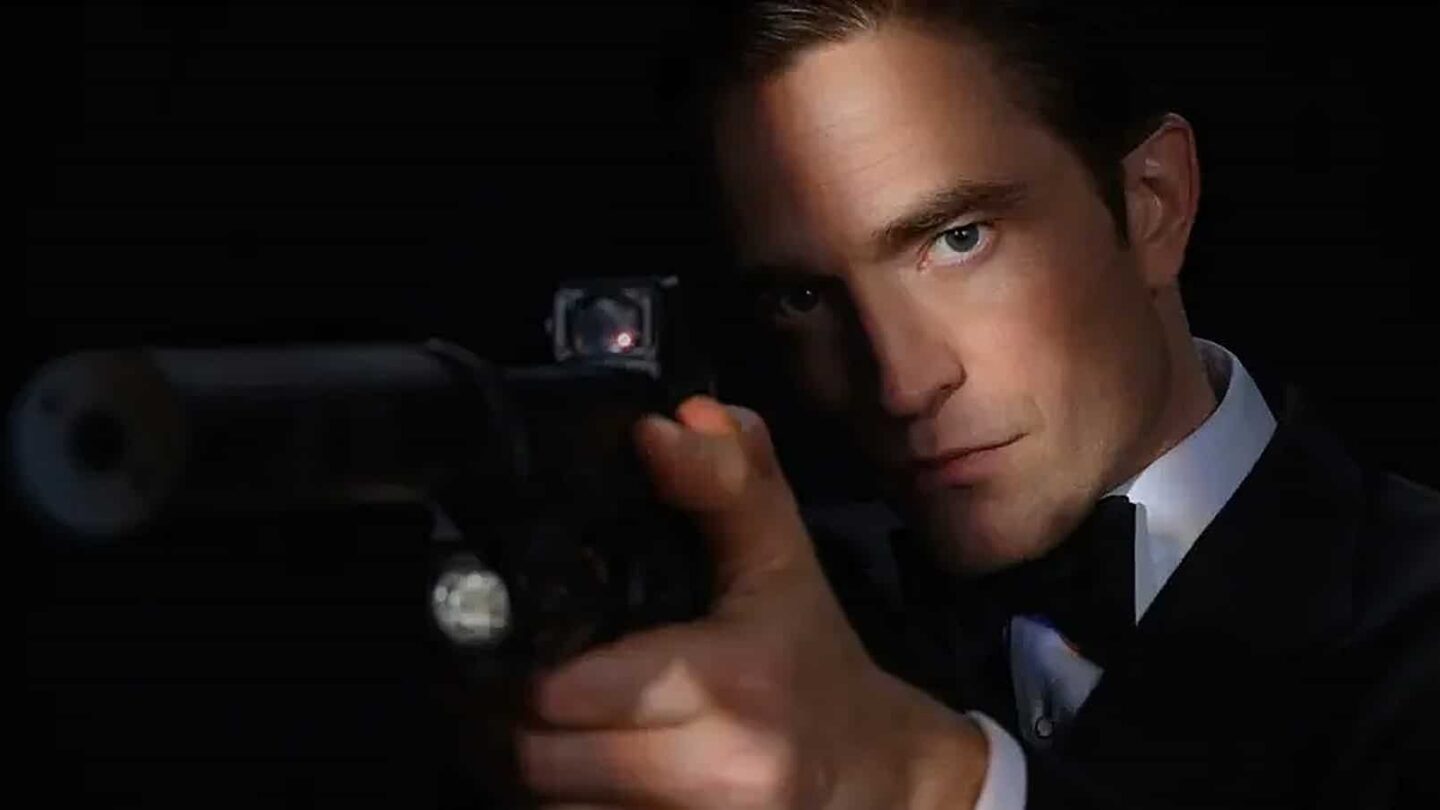
Following this week's announcement that Robert Pattinson has been cast as the new James Bond, Mick Carter, business director at culture and entertainment marketing agency Attachment, argues that brands buying celebrity talent should be looking at where a star is heading rather than where they are now.
Carter was instrumental in selecting and appointing Pattinson as brand ambassador for Carlsberg's Kronenbourg 1664 in 2024. He says picking talent for a brand is “as much an art as it is a science”, and that the most rewarding part of the job can be “recognising what that person could become.”
Looking beyond current fame
When the agency started researching possible ambassadors for 1664 in 2024, Pattinson was already a globally recognised star. Carter notes that he had moved on from the huge success of Twilight to become a serious and versatile actor with a growing body of work.
But the agency's interest, he says, was in the direction of his career rather than what he had already done. Carter describes proper talent selection as “a fairly forensic exercise” that goes beyond fame and popularity to weigh factors such as global recognition, cultural relevance, audience demographics, brand affinity, personality, credibility and career trajectory, as well as whether the person can bring something distinctive to the brand.
Data plays a large part. Research, audience analysis, cultural intelligence and knowledge of the markets a brand operates in all help form a picture. Alongside that sits an instinct built up over years in the talent business, he says: knowing which signals count, which trends have substance and which people could grow beyond their current level of fame.
Pattinson scored “exceptionally highly” in the agency's assessment across multiple markets, Carter says, with the recognition, credibility, versatility and broad appeal to work across different audiences and territories. The other factor was his future.
At the time, the agency already knew he had starring roles lined up in The Odyssey, The Drama and The Batman Part 2, among other films, and would be collaborating with Christopher Nolan, Zendaya and Bong Joon-ho. Carter says that was always going to raise his cultural standing. “We weren’t just buying into the Robert Pattinson of 2024. We were investing in the Robert Pattinson we believed the world would be talking about in the years ahead,” he writes, adding that a campaign launch was already scheduled for 2026.
Contracts were signed in early 2025, the campaign was shot in August 2025 and it launched in April 2026. Then came this week's Bond news.
Carter calls Bond “more than a film role”, describing it as one of the world's most recognisable cultural properties, with global reach and a profile that crosses generations, territories and demographics.
Serendipity and timing
He accepts that nobody could have guaranteed the outcome and that any talent decision involves an element of serendipity. He recalls a Lipton campaign he worked on some years ago that featured Jose Mourinho. Mourinho was sacked by Chelsea soon after the shoot, then hired by Manchester United several months later, in time for the spring launch.
Carter argues this is where the art and the science of buying talent meet. “We didn’t choose Robert because we knew he would become James Bond,” he writes. The agency chose him because the evidence showed he was already an exceptional fit for 1664 and that his career had plenty of room to grow. He describes the Bond casting as “an extraordinary bonus, rather than the justification for the original decision.”
The strongest partnerships, he argues, are not necessarily those built around the biggest name at the point of signing, though that can still matter to a brand trying to capture a particular moment. They are the ones where a brand spots the right person at the right stage of their career, ahead of the wider market.
There is also value in reacting quickly while a cultural moment is still playing out. Carter points to Attachment securing J Balvin for a client's Cannes event soon after he appeared at Mexico's World Cup opening ceremony. The agency moved fast to get him flown in, which gave the client a link to an artist at the centre of the conversation. “Sometimes the advantage isn’t predicting the next big thing; it’s having the relationships and agility to act when that moment arrives,” he writes.
The commercial case for moving early
Carter says getting in early can bring a commercial advantage. Brands may be able to secure talent while availability, fee expectations and competing commitments are easier to manage. As a star's profile rises, so do the demands on their time, along with their value and exclusivity.
He expects the Bond role to put even greater pressure on Pattinson's schedule, given the level of global attention, publicity and commitment the franchise brings, and says his availability for other commercial deals is likely to become more limited. For brands now considering working with him, the window may look very different from the one that existed when Attachment first approached his team.
The wider lesson for marketers, Carter argues, is that talent buying is too often treated as reactive. A brand decides it wants a celebrity and starts with whoever is dominating headlines, social media or entertainment coverage, by which time everyone else has spotted them too. He says the real opportunity lies in understanding culture, identifying people whose influence is growing, assessing their potential and having the confidence to act before it is widely recognised.
Attachment takes that approach, he says, citing how it marked out Olivia Dean as one to watch before her breakthrough, when it recommended her for a client event because it saw her cultural appeal could reach a much bigger audience.
“It doesn’t always result in someone becoming James (or Jane) Bond, of course. But the principle remains the same,” he writes.
For 1664, Carter says the 2024 decision now looks even stronger, having signed a global star who already suited the brand and whose cultural significance has since moved to a new level. “That’s not just luck. It’s what happens when research, experience, judgement and a little bit of serendipity come together,” he adds.
Carter began his career at CIA in London, now WPP Media, before returning to Manchester as head of TV buying for JWT Manchester. He has spent the past 17 years in talent and celebrity buying, working on hundreds of deals involving names including Taylor Swift, Rowan Atkinson, Salma Hayek and Claudia Winkleman for clients such as P&G, Unilever, Mars and Pernod Ricard, working internationally from Manchester.
In this story

Digital Gossip
News, people moves, campaigns, deals and opinion from across the UK’s agencies, marketing, media and technology businesses, written and edited by the Digital Gossip newsroom.
Send us a tip