
Julia Arenson proposes ‘Brandland’ as an identity for in-house creative leaders
Arenson argues that the creative directors, studio heads and operators building brand systems inside companies deserve the name, culture and community that adland has long enjoyed.
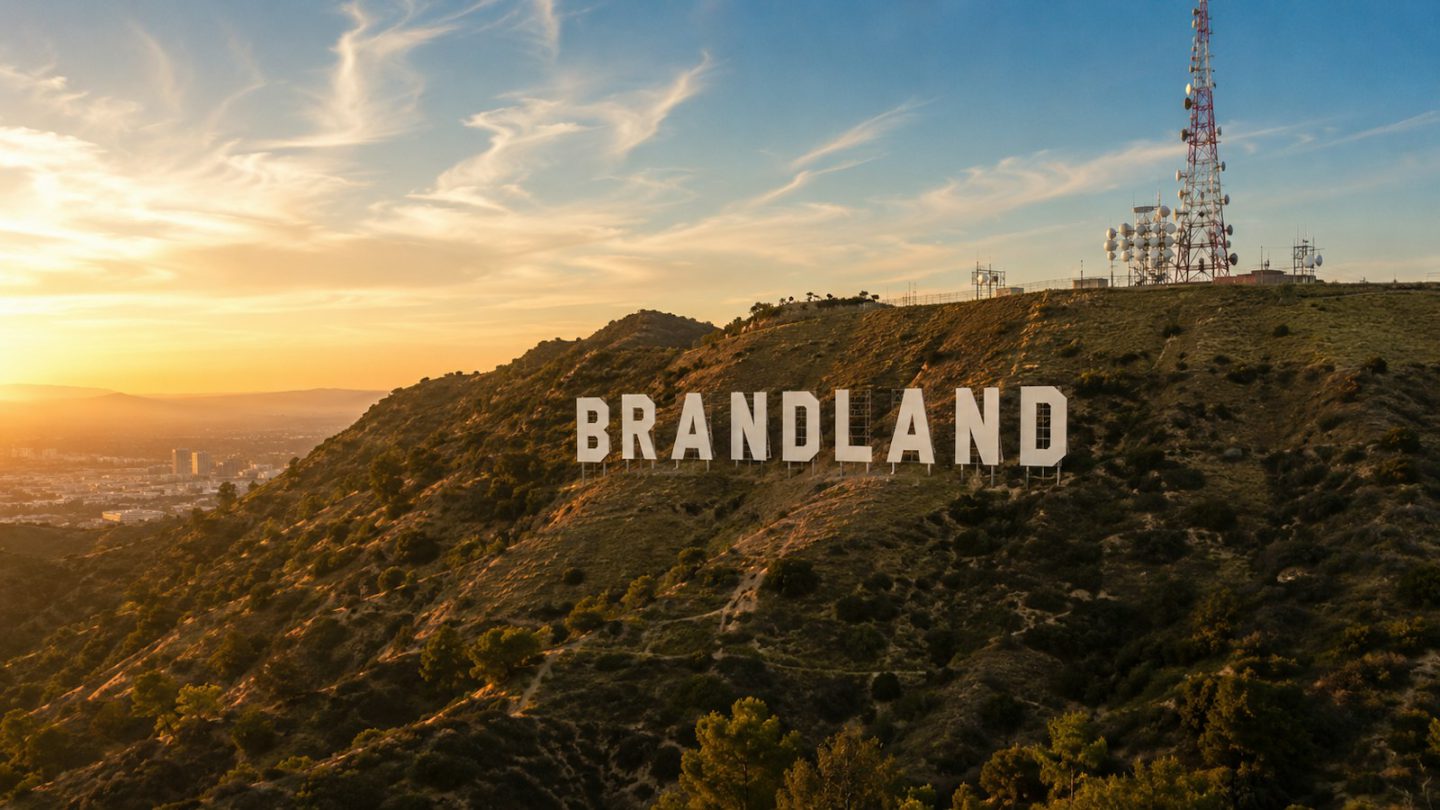
Julia Arenson argues that in-house creative talent needs its own identity, and she has a name for it: Brandland.
Adland, she writes, already has a word for itself, along with a culture, a career ladder and a mythology. It has the pitch, the reel, the awards shelf and the late nights spent on beer campaigns, plus festivals, trade press and a wider infrastructure built around its people.
But in her view adland has never been the full picture. There has always been another type of creative: one who joined a brand instead of an agency, built a studio rather than a campaign, and shaped whole systems as well as individual executions. These people, she says, are as comfortable with procurement, governance and internal politics as they are with craft, concept and storytelling.
“In adland, you sell creative output to a client. In Brandland, you are the client and the creator,” she writes.
Arenson describes people who hold the brand and the brief at the same time, who can move between a boardroom and a creative review in one afternoon, and who question whether a brief asks the right question before answering it. Their aim, she says, is to build a lasting system and culture that turns out excellent work at volume year after year.
“These people have always existed. They’ve always done extraordinary work. They just never had a name.”
A movement at critical mass
Arenson argues that, over the past ten years, in-house creative work has gone from a low-key alternative to a real force. Brands that once handed everything to holding company agencies are building sophisticated internal studios, with strategists, producers, creative directors, creative technologists and motion designers whose output rivals external work.
She says her own team has worked within this shift for seven years and that these teams now think big. Organisations are making serious creative bets on the belief that the best work can come from those who sit nearest to the customer, the business and the brand.
Arenson recently travelled to New York to test that hypothesis. In conversations with 50-year-old brands, startup founders, social platforms, global procurement heads and long-established agencies, she found the same profile of person doing extraordinary in-house work, with no connection between them, no shared language and no community. The same is true in London, she adds.
The identity gap
According to Arenson, people who thrive in Brandland combine qualities usually kept apart. They balance brand guardianship with creative ambition, and know when a system needs protecting and when it needs breaking. They create the toolkits, templates, governance and workflows that let a brand produce its best work consistently, then challenge those structures when the work requires it.
Many, she says, became frustrated with agency life because they wanted to go deeper, own the outcome and build something durable.
Without a name, she argues, these people are hard to find. They do not appear where adland creatives do, their careers do not follow the agency ladder, and their value does not fit a standard job title or a conventional portfolio. Identifying and connecting them to the right roles needs a different approach entirely.
Arenson presents Brandland as a discipline, a community and an identity for studio heads, creative directors, strategic thinkers and operations leaders working inside brands. Adland has had its festivals, awards, language and legends for decades, she writes, while those in Brandland achieved as much with none of it.
“That changes now.”
In this story

Digital Gossip
News, people moves, campaigns, deals and opinion from across the UK’s agencies, marketing, media and technology businesses, written and edited by the Digital Gossip newsroom.
Send us a tip

