
John Cena on Neutrogena, skin cancer and being more than a face for brands
The retired WWE star says his BBDO New York sunscreen campaign, now heading to the UK, grew from a self-parody into something more personal.
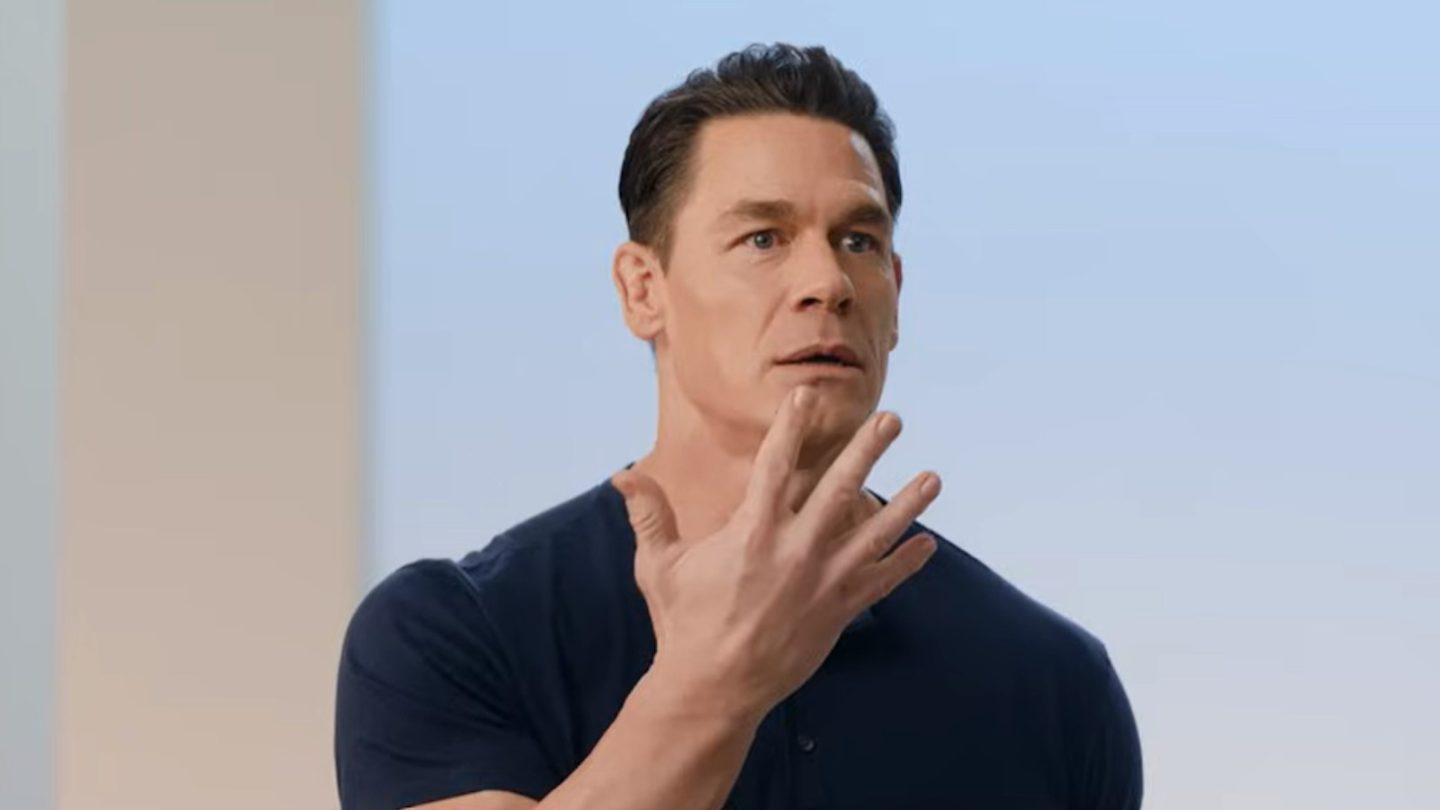
John Cena says he wants genuine partnerships rather than one-off endorsements, as his Neutrogena sunscreen campaign prepares to launch in the UK.
Cena built one of the best-known personal brands in modern wrestling over two decades with WWE, combining sport, storytelling and showmanship. When he joined in 1999, wrestling was at a cultural high, led by The Rock, Stone Cold Steve Austin and other big personalities. In the early 2000s, with many big names leaving for Hollywood or cutting back their schedules, WWE needed a new figurehead, and Cena filled the role.
His breakthrough came as a cocky freestyle rapper billed as the ‘Doctor of Thuganomics’, later becoming a clean-cut hero whose slogans included ‘You Can’t See Me’ and ‘Hustle, Loyalty, Respect’. Every reinvention moved him further from promising newcomer towards global ambassador for WWE.
Learning to promote
He said the promotional side had to be learned on the job. “I wouldn’t say I’m a natural, because, man, as a young 20-something, being put in a radio interview, I certainly had to learn the hard way,” he said. “How do we really get people interested in this?”
He became very good at it, and promotion turned into a core part of his job as WWE's main draw. “Time under tension, year over year, has brought me to understand that this is a part of who I am,” he said. “Yes, I’m a performer, but I also love to promote. I love to get people excited for the thing that we’re out there trying to get them to watch.”
After announcing his retirement, Cena spent 2025 on a farewell tour and left the ring in December, though not the spotlight.
A personal connection
Since March last year he has been the face of Neutrogena's SPF advertising. Created by BBDO New York, it ran first in the US and arrives in the UK next week.
A wrestler may seem an odd choice for sunscreen, but Cena said the link is personal. “I had some cancerous spots removed,” he said. “So that’s the ultimate connection. Normally, you want an eye-catching ad, something to get consumers to be like, ‘Hey, what is that?’ I was just an ignorant consumer who was like, ‘Ah, it’s never going to get me, and I don’t need it,’ and then found out the hard way that it [SPF] isn’t optional.”
In the main ad, Cena plays on his ‘You Can’t See Me’ catchphrase as a reference to the product's sheer finish. He is happy to laugh at himself. “Honestly, it felt great,” he said. “It’s weird, there are two different schools of thought out there. I have a good friend, James Gunn, who directed Suicide Squad. He can’t stand when people throw the ‘You can’t see me’ joke out whenever we do a press conference or convention. And he’s like, ‘There’s more to John than just that.’ But I love it, and it’s that one iconic phrase that has introduced me to audiences around the world.”
He does not take it personally. “It’s just a way for me to connect with folks, and it’s been awesome,” he said. “The first time I saw that joke was around 2008 or 2009, and here we are almost 20 years later and it’s still being thrown around.”
Working with agencies
Cena said he looks for real partnerships when choosing brands. “Very rarely are we engaged in a one-off,” he said. “I don’t just want to be a face. I think that makes companies feel good because they’re investing money in these campaigns, and it makes me feel good knowing that they believe in the message. It’s not just a one-time thing to get out there and just get as many eyeballs as you can; the creative has to be there.”
He enjoys taking part in the creative process and has become interested in how advertising works. “60-second ads are a rarity. 30-second ads are a gift, and sometimes you’ve got to get the message in around as little as four seconds nowadays,” he said. There is room to improvise, but he tries not to “clip” an agency's wings.
“I don’t want to pretend like I’m the smartest guy in the room, so I always want to see what an agency gives,” he said. “And then I think it’s a matter of, is this within the scope of my authenticity and talent, strengths, and gifts? Can I give you what you’re looking for?”
The Neutrogena idea was clear enough to need little discussion, he said. He prefers to let the professionals “do what they do” and then give a final check on tone.
He sees his contribution as “authenticity”, from being himself. “That was my strength in WWE,” he said. “It’s the ability to persevere, never give up, as a WWE fan would recognize. I wasn’t necessarily an overnight sensation, but I promised fans I loved the business and would be there as long as I physically could. And 23 years later, I kept that word.”
That consistency has influenced how brands view him, he believes. “I’ve been very open about my core values, and I think a lot of companies have chosen to resonate with that.”
What began as Neutrogena gently mocking his persona has become something with more depth. “What started out as a kind of character spoof from Neutrogena has evolved into something way more, just because they allowed me to be vulnerable and share my authentic self.”
Looking ahead, he expects the creative industries to keep changing faster. “I feel, and this is only my perspective, that ideas, genuine ideas, human creativity, will become a very valuable currency,” he said. “Especially in advertising, because you only get a short chance to gain somebody’s attention.”
In this story

Digital Gossip
News, people moves, campaigns, deals and opinion from across the UK’s agencies, marketing, media and technology businesses, written and edited by the Digital Gossip newsroom.
Send us a tip

