
BrewDog’s new marketing chief on rebuilding a brand without its founders
A month into the job under new owner Tilray, former Monster Energy marketer John Beasley says the fans who stayed are the place to start.
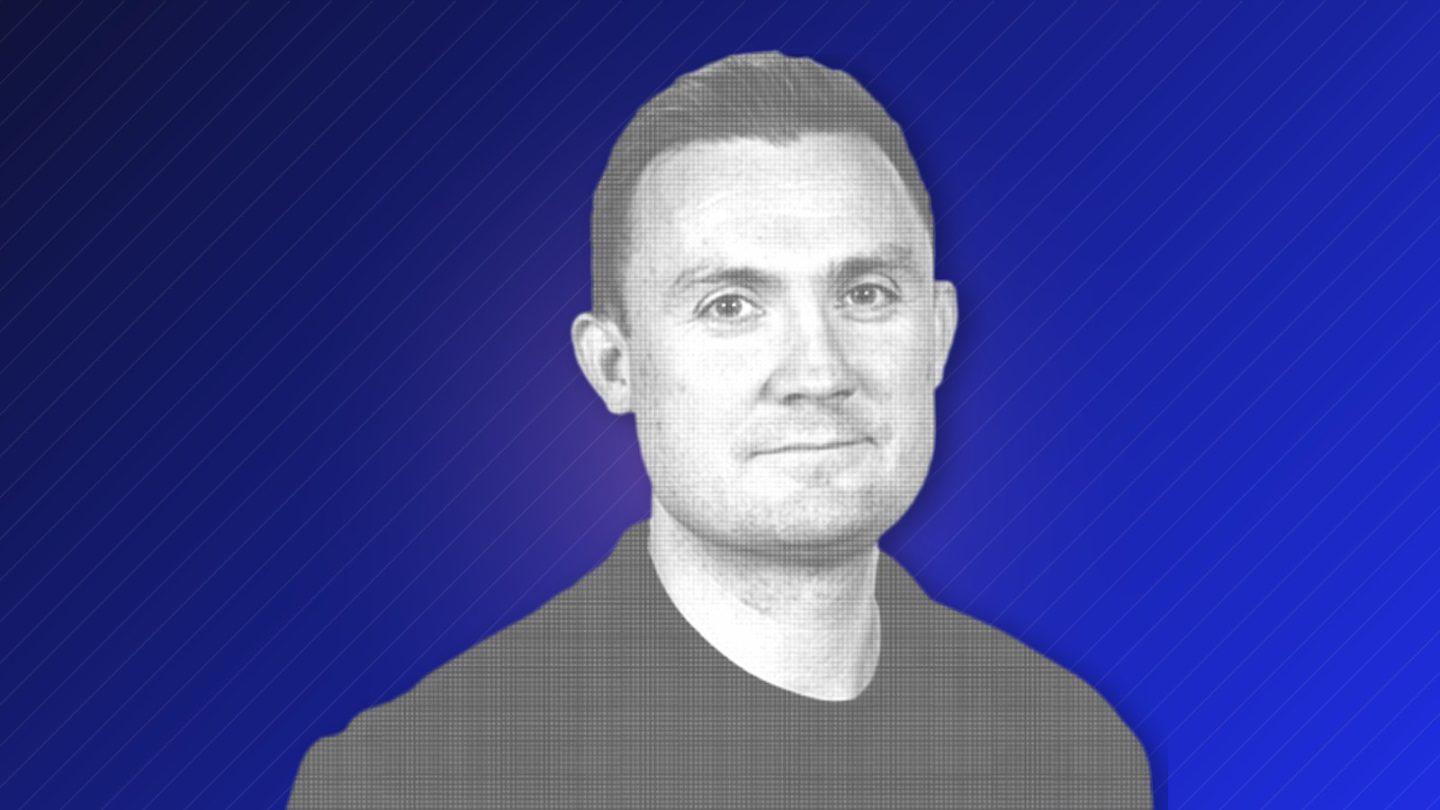
BrewDog is relaunching with a campaign meant to remind drinkers why they liked its beers to begin with, and its new chief marketing officer, John Beasley, says many of those drinkers are still around.
“We have loyal fans who’ve stuck with us despite everything and God bless them for that,” he said.
Beasley was a month into the job at the time of the interview. While BrewDog’s relaunch was being prepared, he was busy launching a new toothpaste brand. Weeks later he was in charge of marketing at one of Britain’s most closely watched beer brands, which is rebuilding after controversies under its former owners and a period in administration.
New owner, first campaigns
In March 2026, after BrewDog went into administration, cannabis company Tilray Brands paid £33m for the worldwide intellectual property and UK brewing operations, together with 11 strategic pubs across the UK and Ireland. Separate deals covered the US and Australian assets.
The administration reshaped the bar estate. Dozens of pubs shut. Some have since returned, and further refurbishments and reopenings are being considered.
Starting a new chapter without addressing that history would have let it dominate the conversation. Instead, among the first work under Tilray was a campaign called simply “Under New Ownership”. Created by Manchester agency Love, it drew a line under the past and gave the brand grounds to reconnect with fans, customers and trade partners.
“BrewDog hasn’t really spoken for a number of years,” Beasley said. “And in that time, it’s been mostly online and traditional media writing about BrewDog.”
From Monster to BrewDog
Beasley began his career agency-side, working on M&S, Virgin Atlantic and other brands, then moved to Red Bull and later Monster Energy.
His main lesson from Monster was about staying close to the consumer. “I would challenge any brand to say that it knows its consumer better than Monster. I could be sat next to them at a bus station and I could tell by their trainers if they were a Monster consumer or not.”
He says Monster received more than 100 photos every week from consumers who had had its logo tattooed on their bodies. “People don’t do this stuff that lightly.”
He sees some of the same attachment at BrewDog. “If a product isn’t up to the quality they expect, they will let us know. If we do something that is not consistent or credible with the brand that’s been built by the generations that went before me, they will let us know. That is real fandom. That’s what it looks like. That’s what it feels like.”
Founded in Scotland in 2007, BrewDog grew into one of Britain’s best-known beer brands, was stocked by supermarkets worldwide and was valued at about £2bn at its peak.
Beasley believes the company deserves more credit for writing parts of the modern challenger-brand playbook. Pointing to the product-led marketing of Liquid Death and Dr Squatch, among others, he says: “BrewDog was there first.”
For a time, BrewDog earned the kind of coverage most brands have to pay for. Once its provocations became expected, the formula wore thin.
Affection for the brand lasted longer. A loyal core stayed, including some who invested through Equity for Punks and are still out of pocket, along with drinkers who remain attached to a brand they have spent years with.
According to YouGov, BrewDog’s fame among British adults stands at 87%. Some 30% like the brand and 23% dislike it. Awareness is not Beasley’s problem; turning it into affection is.
Bars, beer and ‘Choose Craft’
Beasley sees the bars as a physical expression of the community he wants to rebuild. “Our bar in Inverurie is completely run and led by the community. And I absolutely love that,” he said.
At the other end of the scale is Waterloo, the brand’s huge London site, where an NFL screening is reported to have recently filled all 1,775 places and caused queues along the road. He describes both as places “where people come together to socialise, where communities gather.”
On the beer itself, he said: “When it first launched, BrewDog was fighting against boring big beer. Big beer learned the lesson. It adapted and adopted all the things that BrewDog did really effectively… BrewDog launched and, effectively, it brought craft to the masses. But now that’s been done.”
“Choose Craft” is the brand’s attempt to answer what comes next. Created by McCann Manchester, it launched on 5 October, two weeks to the day after “Under New Ownership”, before Beasley had properly settled in.
BrewDog’s founders were famously dismissive of conventional advertising and built much of the company’s reputation on products, PR, provocation and stunts. One of the first acts of the new era is a national advertising campaign.
Beasley has seen that contradiction before. At Monster, he says, the manifesto was effectively “We don’t advertise”, with money going into athletes, events, parties and content. The rule changed in markets where Monster needed to grow quickly. “If you want to grow fast, you’re going to have to advertise,” he said.
Much of “Choose Craft” was already being developed before he joined. “I’m standing on the shoulders of giants here,” he said, crediting BrewDog’s existing team and McCann Manchester. “They spent a lot of time doing research and getting insights from the community.”
The campaign is running on roadside sites, at rail and underground stations and close to stockists. There are also large murals in Edinburgh and Manchester.
The creative picks up on the small habits of committed craft drinkers, such as keeping an empty can for its artwork or knowing a favourite beer well enough to tell one batch from another. One execution has a meat thermometer standing in a can of Punk IPA.
“The amount of back and forth about what that perfect temperature should be was incredible,” Beasley said. The observation is quieter than the stunts associated with the old BrewDog.
Reaching a new generation
Beasley is also focused on drinkers who did not grow up with Punk IPA. “There’s a whole new generation and audience who are absolutely brilliant, interesting, fascinating, shaping the world that we live in, shaping the way we drink, shaping the way we socialise. That’s the audience that we need to understand.”
He says the data suggests this audience thinks carefully about what it buys and will pay more for better products. Premiumisation is a familiar claim among brewers big and small, and BrewDog will have to prove its version with what is in the glass and what goes through the till.
Beasley has yet to settle which elements of the old brand appeal to that audience. “We’re not changing the brand. We’re just going to really understand who we are and find our voice,” he said.
“I’m really interested to see how much of our tone of voice is tied to the founders, how much of it is tied to the brand and whether you can separate it.”
Asked what marketing trick he might pull in the coming months, Beasley’s answer is to spend time in bars, talk to early fans and read what is said about BrewDog online. “The gold is in the comments,” he said.
The company is again focusing on new products. Beasley mentions future hops, new beers and further investment in what comes next. He wants the new products to please what he calls BrewDog’s “brilliantly judgmental community” and to bring in new drinkers.
In this story

Digital Gossip
News, people moves, campaigns, deals and opinion from across the UK’s agencies, marketing, media and technology businesses, written and edited by the Digital Gossip newsroom.
Send us a tip

