
Assembly Global’s Aruna Natarajan says agencies should treat themselves like brands
The chief client officer for North America argues that the commercial model tied to media spend must change and that integration should replace specialisation.
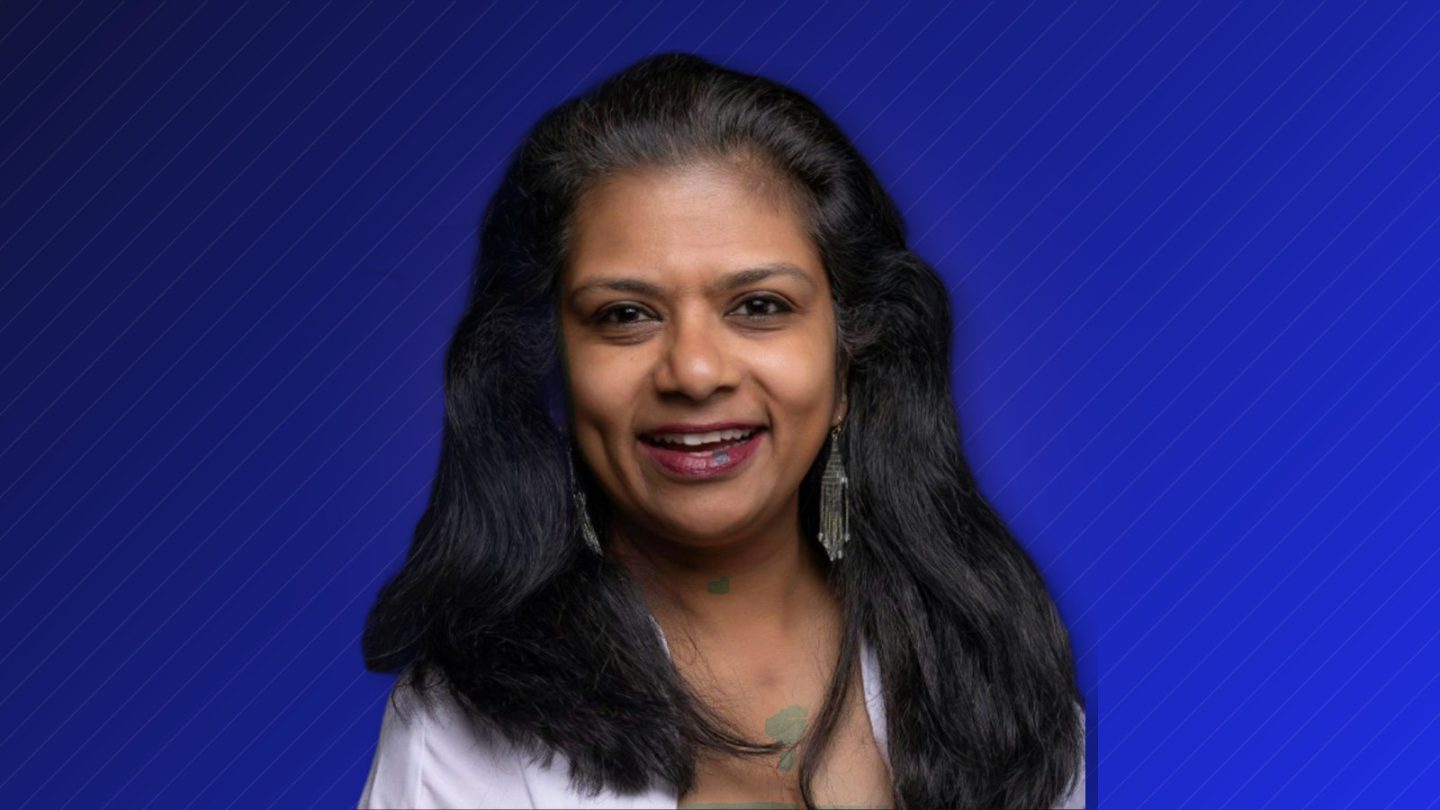
Aruna Natarajan, chief client officer for North America at Assembly Global, has called for agencies to change a commercial model that in many cases remains tied to media spend.
“The commercial model which in many cases continues to be linked to media spend has to change,” she said.
Natarajan said agencies should follow their own advice. “Thinking about the agency like a brand, ensuring there is a strong product and value proposition and identifying a clear ideal customer profile, all of which in turn are then linked to the growth strategy, is how agencies will survive and thrive,” she said.
She sees commercial pressure as a feature of business generally rather than something unique to agencies, and believes those that cope best will apply the same rigour to themselves that they would to a client’s brand.
Integration over specialisation
Her advice to teams is to “rethink your org structures to focus on integration versus specialisation.” Full-funnel, integrated planning works only when ownership and responsibility are aligned with it, she said, and that approach must carry through into measurement.
Asked where she would make a single investment in 2026, she answered “Integration”, adding: “connecting the dots whether it is across the funnel or from discoverability to transaction and understanding how the pieces work together is how you win.”
She identified the most misunderstood issue in her discipline as “continuing to treat paid, owned and earned media as separate levers of growth.”
Labour and craft
“AI is impacting the agency business at every stage and within every discipline,” said Natarajan. “Learning to pull apart labour versus craft in everything that we do is how we start to build agentic workflows and operating models where we automate the labour and elevate the craft, which in turn highlights the role that humans intrinsically have to play in our business.”
The trait she believes will define the most successful future leaders is “an innate curiosity to understand the why, connect the dots and simplify things with a bias for action.”
In this story

Digital Gossip
News, people moves, campaigns, deals and opinion from across the UK’s agencies, marketing, media and technology businesses, written and edited by the Digital Gossip newsroom.
Send us a tip

