Redesigning brand mascots risks losing decades of recognition, says Tracksuit
Toby Rozenblit, head of growth at Tracksuit, argues that brands reviving or modernising their characters should protect the quirks people remember them for.
Brands giving their mascots a glow-up could throw away decades of recognition, according to Toby Rozenblit, head of growth at Tracksuit.
Rozenblit argues that mascots are enjoying a revival. Monster Munch has brought back its monsters with sharper claws, Guinness has revived its toucan, and Crocs has unveiled its first official mascot, a six-foot-tall crocodile called Niles.
Tracksuit data shows the commercial value of well-known characters. Energizer has 90% awareness against a category average of 23%, while 52% of people recognise Duolingo, compared with a category average of 24%. Geico also scores highly, with 84% awareness against a category average of 67%.
He notes that brands have spent some time stripping things back, with simpler logos, more muted colour palettes and visual identities that look increasingly alike. When so many follow the same approach, standing out becomes harder.
The value of being recognised
Rozenblit cites the Energizer Bunny, Duolingo's Duo and the Geico Gecko as characters that are now household names in themselves, with the brands behind them equally familiar.
Several factors feed into that awareness, he says, but years of consistent exposure have made these mascots distinctive assets. A character can keep appearing in advertising, on packaging, on social media and in new cultural moments, and each appearance strengthens an existing association.
Why mascots are back
Tracksuit's analysis of media coverage found a sharp rise in recent years in headlines mentioning “brand mascot”. After falling to a low in 2021, such mentions stood by 2025 at roughly 165% of the 2017 figure, and based on data to 20 October, 2026 is on course to be the strongest year so far.
Rozenblit gives three reasons. The first is differentiation, since a character is harder for rivals to copy.
The second is social media, which has given mascots a far bigger stage on which to develop personalities, take part in cultural conversations and become entertainment in themselves. Duolingo's owl, Duo, now has a social media persona, with a voice and behaviour audiences know, allowing the brand to appear in conversations well beyond its own campaigns.
The third is nostalgia. Reviving a familiar character draws on existing emotional ties while introducing an old favourite to a younger audience, as Monster Munch and the Guinness toucan show.
The risk of a makeover
Redesigns get people talking because they stir nostalgia and strong opinions, Rozenblit says, and that is both their appeal and their danger.
He warns against assuming that a more modern look will make a character more appealing, since that can strip away the very features people know it for. Details that make a mascot distinctive may also make it seem slightly dated, odd or awkward, and those quirks are often what people remember.
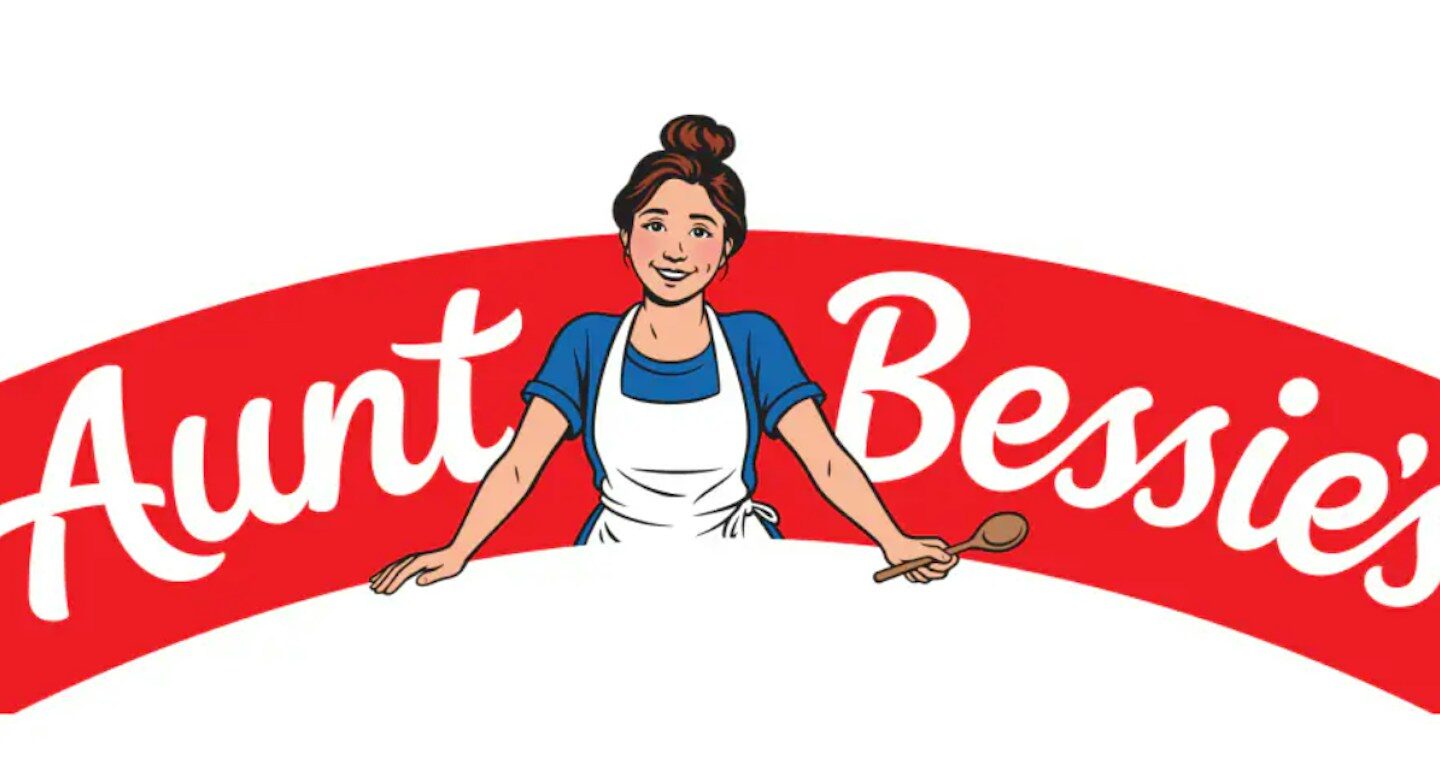
Aunt Bessie's discovered this when it swapped its older home-cooking character for a younger, more contemporary figure, prompting questions over whether the new version kept the warmth and familiarity of the original.
Something similar happened at Yorkshire brewery Timothy Taylor's when it swapped its traditional pub landlord character for a younger, more polished one. Some customers felt the redesign had stripped away the heritage and authenticity that set the first version apart.
Rozenblit offers three pieces of advice. Brands should keep the details people recognise, because an unusual silhouette, a certain expression or a slightly old-fashioned look may be doing more for recognition than anyone realises.
They should also remember that modern is not always better. A beautifully designed mascot can still be forgettable, and a redesign that makes it resemble every other polished brand illustration risks losing its character.
Finally, marketers should look past the social media reaction. Vocal fans are not the whole audience, and the greater risk is the occasional buyer who no longer spots the brand on the shelf. Tracking recognition among that group shows whether a redesign is reinforcing or eroding an existing association.
Viral does not mean valuable
Rozenblit identifies a second measurement trap: assuming popularity automatically makes a mascot successful.
Social engagement is highly visible and simple to report, and a viral post or strong campaign can make a character appear to be a runaway hit. Yet a mascot may become an internet sensation while doing little for awareness of its brand, with people remembering the joke, the TikTok or the character but not who is behind it.
Equally, a mascot may generate little online chatter yet strengthen brand recognition each time people encounter it.
He says brands should track whether awareness rises over time after a new character is introduced, whether that recognition turns into consideration, and whether an established mascot keeps its long-built associations after a makeover. Tracking awareness, consideration and brand perceptions over time shows whether creative investment is contributing to growth beyond a brief spike in attention.
Rozenblit calls the return of the brand mascot an encouraging sign, but warns against treating every character as a blank canvas. The strongest are those people recognise, connect with one brand and still remember once a campaign has finished.
“That’s a difficult thing to build and an easy thing to damage,” he writes. Brands can still refresh their mascot, take it into fresh cultural conversations, strengthen its personality and look for new ways to keep it relevant, he says, as long as they keep sight of why people recognised it in the first place.
In this story

Digital Gossip
News, people moves, campaigns, deals and opinion from across the UK’s agencies, marketing, media and technology businesses, written and edited by the Digital Gossip newsroom.
Send us a tip