
B2B advertisers should not ignore the weekend, says Bloomberg Media’s David Bradford
Bradford argues that decision-makers never fully switch off, and that brands limiting B2B campaigns to the working week miss the moments when leaders have most time to think.
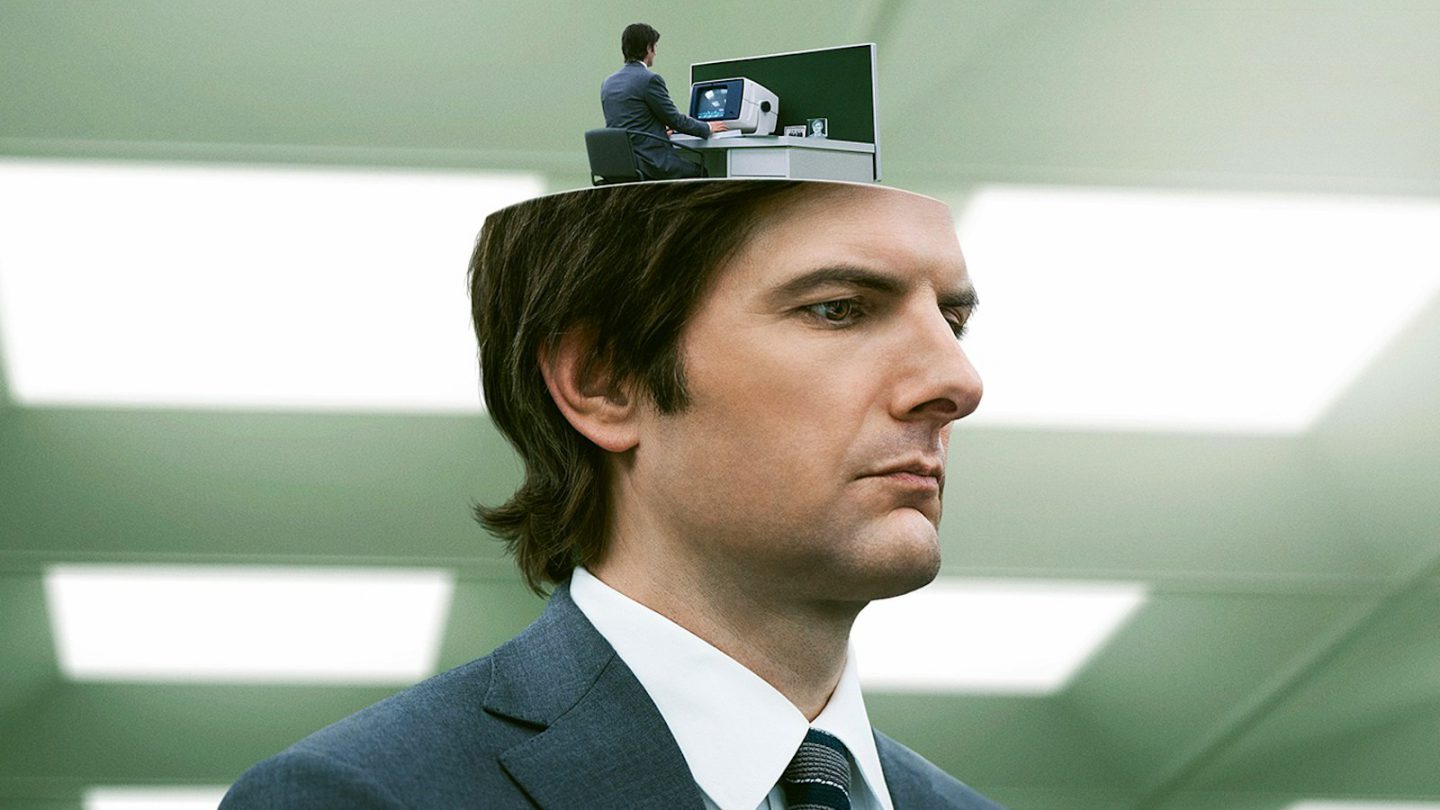
David Bradford of Bloomberg Media argues that B2B advertisers who restrict their campaigns to the working week are missing the times when business leaders have the most space to reflect.
He uses Apple's series Severance as a starting point. In the show, an ‘innie’ self does the day's work while the ‘outie’ has no memory of it. Bradford says he has had many conversations with peers about whether they would take that option if it were available, leaving their only worries in their home and personal lives.
He personally values what work brings and how its lessons carry over into his private life, and the reverse. He believes most people in the industry feel similarly, and points out that in any case nobody can actually cut work out of their life.
Blurred lines
Some B2B advertisers, he argues, draw arbitrary boundaries around when to reach their audience, on the assumption that people who are not working are not interested.
Bradford says work and life are no longer opposites. Work travels home in people's pockets, flexible working lets parents collect children from school and make the hours up later, and political decisions affect the markets people work in all the time.
That does not mean context is unimportant, he says. A B2B advert shown before a Disney film at the cinema might feel out of place, even if some of the parents in the audience make decisions for a brand. B2B advertisers are right to want their audience to be professionals and to see their ads alongside suitable content.
But he argues that keeping B2B marketing to weekdays overlooks how decision-makers behave. In his words, “true decision-makers are always ‘on,’ but just in different mindsets.” Brands can learn to reach people when they have more room to think, explore ideas and make connections.
Reaching audiences off the clock
Because people are constantly learning, exploring and being entertained, Bradford says advertisers can reach them in a natural state. He cites large-scale placements at the recent World Cup as having worked for B2B brands.
YouGov data from the summer showed Lenovo ranked second for Advertiser Impact Score for its technology partnership with Fifa, with strong increases in ad awareness and consideration. Business brands, he argues, can make the most of activity outside their usual categories even during leisure moments.
Bloomberg Media launched its Weekend proposition with this in mind. Bradford says its readers and viewers use Bloomberg content across both weekdays and weekends, though with somewhat different intentions. Weekend coverage is designed to help decision-makers and global leaders prepare for the coming week, with long-term bets and in-depth analysis. “Because the weekend is for thinking and decision-making too,” he writes.
Mishal Husain, who is editor-at-large of the Weekend edition, created her award-winning show to bring in major names and public figures for long-form interviews on subjects ranging from the AI race and the manosphere to Trump's inner circle.
Bradford says this has driven a sharp rise in Weekend readership, with 66% of Weekend visitors each month being new readers. He sees this as evidence of growing demand for premium, more reflective content that engages business audiences away from their weekday desks.
Across Bloomberg's editorial output, he says there is stronger demand for longer-form content that is easy to consume outside the working week. Advertisers want confidence that they are reaching the right people, and weekend content lets them find decision-makers while they are engaging with content differently and in a more natural thinking mode.
Following the audience
Business does not stop at the weekend, Bradford argues. Executives listen to podcasts in the evening, professionals scroll LinkedIn on Saturdays and Sundays, and leaders see out-of-home campaigns while travelling. Business leaders, like everyone else, curate their feeds to understand the world better.
He says B2B advertisers should pay attention to the rise in curated, reflective content as a way to align with and reach decision-makers.
Whichever side of the Severance divide people would choose, Bradford argues, the boundary between work and life keeps getting less distinct. He believes B2B advertisers should take the chance to appear when leaders are better able to pause, absorb fresh insight and information, and should look beyond the working week. Premium environments, in his view, are a dependable way to reach the right audience.
“The weekend is for thinking and that is a prime-time B2B opportunity,” he writes.
In this story

Digital Gossip
News, people moves, campaigns, deals and opinion from across the UK’s agencies, marketing, media and technology businesses, written and edited by the Digital Gossip newsroom.
Send us a tip

