Salesforce and Sparks say in-person events matter more as AI shapes B2B buying
Melissa Levy of Sparks and Madeline Schofield of Salesforce on trust, buying committees and why scan counts no longer tell the story.
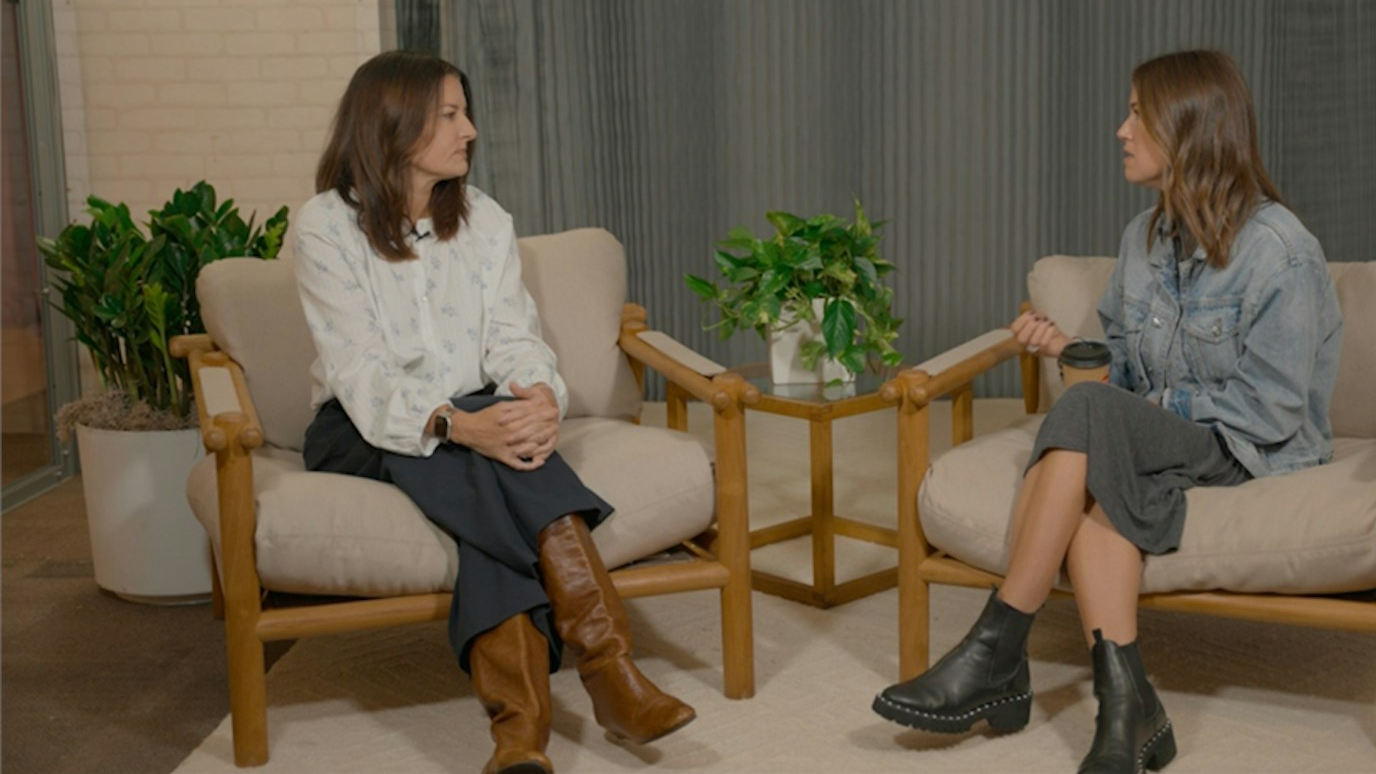
B2B buyers can now get an AI model to draw up a vendor shortlist before talking to any supplier. Melissa Levy, president of marketing agency Sparks, says that raises the value of the moments that cannot be automated.
“I think when you’re in person, when you get to meet the brand, when you get to interact with the products or the services, you really can start to get a feel,” she said. “Are they right for you? Is this someone I trust? There’s no better way to build trust.”
Salesforce's VP of experience strategy and executive marketing, Madeline Schofield, applies the same thinking to all digital channels, not only AI. A brand's website ought to present it at its best, she said, and reviews add a further layer, “but at the end of the day, it comes down so much to human trust and judgment. The best way to make your own decision is really with the human interaction.”
The cost question
Schofield expects live encounters to become rarer, and more valuable, as AI-generated content multiplies. “There’s so much more content coming out. There are so many more options that you have and it can be really confusing for people,” she said. “It makes those live interactions even harder to get, so much more valuable when you do.”
Levy disputes the idea that face-to-face marketing has simply become more expensive. B2B brands have long recognised the value of being in person, she argues, and the cost depends on what is being counted. “If you have a measurement strategy from the beginning, then it isn’t more expensive,” she said. “Spending millions on media is expensive. Everything’s expensive right now.”
Customers as the voice
Schofield's remit has widened from events to executive marketing, which she links to how B2B purchases are decided. “B2B companies are making buying decisions often as a group,” she said, “so having that bigger emphasis on building a meaningful experience for executives is even more important now.”
Salesforce mostly puts its customers, rather than its own leaders, in front of those executives. Schofield said events have been at the heart of Salesforce's marketing for a long time. “Our CEO deeply believes that one of the most impactful factors in making a buying decision is hearing from other customers.” The aim is for peers to explain: “This is how we’ve implemented Salesforce technology and this is what it’s done for our business.”
She sees no conflict with a company staking its future on AI agents. “It’s never humans against AI,” she said. “It’s always humans with AI.”
More than a sales pitch
Dreamforce is designed not to feel like a sales meeting. Schofield calls it “the ultimate customer loyalty event,” intended to be “whimsical and unexpected.” She cites Dreamfest, a fundraising concert for UCSF, to show a shared experience building a different kind of loyalty. “The more you can help them make a memory, the more that memory will last.”
Levy bases her case on who the buyers are. “A lot of times, people think about these events as purely sales experiences, and the truth is, buyers are humans,” she said. “They want to feel something.” She sees the job as creating spaces for relationships and conversations, with the brand or between attendees, or simply a spot to cool down during a long, hot day. “It’s the part that AI can’t do and it’s the part that as humans we’re craving more and more every day.”
Schofield added that every hour an attendee spends at an event is taken from their work or family. “It should be valuable,” she said. “We should be giving them something incredible to experience, to learn, that feels like it has absolutely earned their time.”
Fewer, more deliberate events
Levy sees B2B brands shifting to fewer, more considered experiences, with goals and metrics agreed before anything is built. “It may not be that they spend less money,” she said. “They’re just spending it in a different place and in a different way.”
Levy warned against buying events like any other supplier service. She called procurement teams “smart, wonderful people,” but said their role is to secure as much as possible for as little as possible. “These aren’t widgets. They are these bespoke experiences. That doesn’t mean it has to be incredibly expensive, but it should be intentional.” The best procurement teams understand this, she added, when the steer comes from senior leadership.
Reaching those who were not there
The vendor never meets most people on a typical B2B buying committee. Levy said it should serve both the people in the room and their colleagues back at the office. Bringing the buying committee together face to face accelerates the process, she argues, and where that is not possible, attendees need “something that is more tangible for them to take back, proof, business outcomes,” so they can act as advocates.
From the point of registration, Schofield said, Salesforce plans for the entire committee. Executives, influencers and solution engineers are each offered an event tailored to their learning needs. Back at work, “your executive might be able to talk of what innovation they saw in your solution and the engineer can say, this is exactly how it works.” Salesforce+ content carries the experience to people who stayed at the office, which she describes as a way to “break down the four walls.”
Moving beyond scans
When asked what B2B marketers should stop doing, both cited measurement. Levy predicts a shift away from QR scans and dwell time towards business outcomes and brand metrics. “Sometimes people don’t believe that events drive business outcomes,” she said, “but they really do.”
Schofield agreed that more is no longer better, particularly with metrics, saying that counting scans does not “necessarily dictate the quality of the engagement.”
Schofield also recalled dancing to Hollaback Girl with colleagues in a Dreamfest crowd and asking herself whether she ought to be. She decided that she should.
In this story

Digital Gossip
News, people moves, campaigns, deals and opinion from across the UK’s agencies, marketing, media and technology businesses, written and edited by the Digital Gossip newsroom.
Send us a tip